A Comprehensive Guide to Recycled Asphalt Plants
This guide provides a detailed overview of recycled asphalt plants, exploring their functionality, benefits, types, and considerations for implementation. Learn about the different technologies involved, environmental impact, and the economic advantages of utilizing recycled asphalt in road construction and maintenance. We’ll also delve into the key factors to consider when choosing a recycled asphalt plant for your specific needs.
Understanding Recycled Asphalt Plants
What is a Recycled Asphalt Plant?
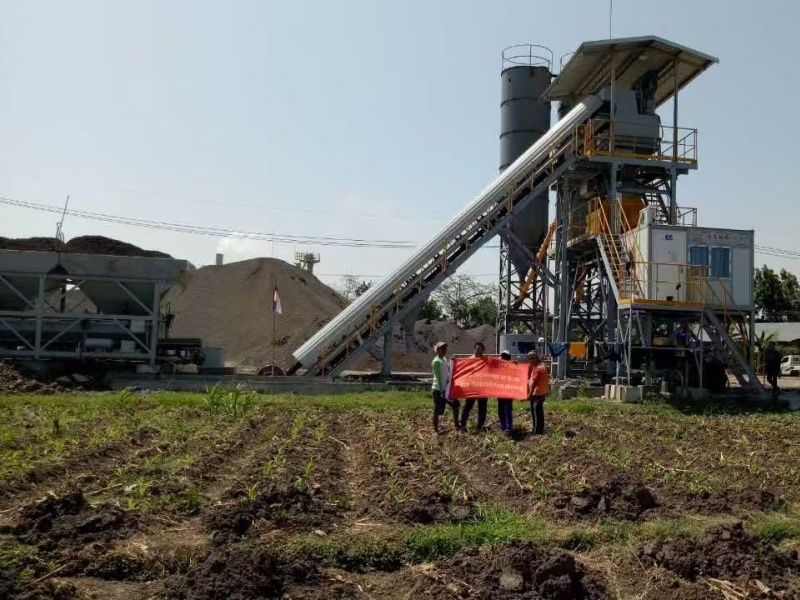
A recycled asphalt plant is a facility designed to process reclaimed asphalt pavement (RAP) into reusable material for road construction and maintenance. This process significantly reduces the need for virgin aggregates and asphalt cement, contributing to sustainable infrastructure development. These plants utilize various technologies to separate, clean, and process the RAP, ultimately producing a high-quality recycled asphalt product. The process typically involves milling, screening, heating, and mixing the RAP with virgin materials to achieve the desired properties. Choosing the right recycled asphalt plant depends heavily on factors like capacity needs, the type of RAP being processed, and budget. Consider factors like the throughput capacity required for your projects.
Types of Recycled Asphalt Plants
Several types of recycled asphalt plants exist, each with its own advantages and disadvantages. These include:
- Batch Plants: Offer flexibility and are suitable for smaller-scale operations.
- Continuous Plants: Provide high production capacity and efficiency for large-scale projects.
- Mobile Plants: Allow for greater flexibility and can be transported to different locations.
The selection of a particular type depends on factors such as project size, budget, and geographical constraints.
Benefits of Using Recycled Asphalt
Environmental Advantages
Utilizing recycled asphalt plants offers significant environmental benefits: reduced greenhouse gas emissions, conservation of natural resources, and decreased landfill waste. By reusing RAP, we lessen the demand for new asphalt production, which is an energy-intensive process. The reduction in landfill waste contributes to a more sustainable approach to infrastructure development. The specific environmental impact varies depending on the plant’s technology and efficiency.
Economic Advantages
Recycled asphalt plants provide considerable economic benefits. The reduced need for virgin materials translates to lower material costs. Furthermore, the reduced transportation needs (due to utilizing locally sourced RAP) lead to lower transportation costs and a smaller carbon footprint. The overall cost savings can be significant, making this a financially viable option for many construction projects. For detailed cost comparisons, conducting a Life Cycle Assessment (LCA) can be beneficial.
Factors to Consider When Choosing a Recycled Asphalt Plant
Capacity and Throughput
The plant’s capacity should align with your project’s needs. Consider the volume of RAP you intend to process and the frequency of your projects. Overestimating or underestimating capacity can lead to inefficiencies and increased costs. Many manufacturers provide detailed specifications about their plants’ throughput capacity.
Technology and Efficiency
Different recycled asphalt plants utilize various technologies. Some are more efficient in terms of energy consumption and material recovery. Evaluate the technology used in relation to your environmental and economic goals. Research specific technologies and their effectiveness in processing different types of RAP. For example, some plants incorporate advanced screening and heating technologies for better material separation and quality control.
Maintenance and Operation
Consider the ongoing maintenance and operational costs associated with the plant. Factor in the cost of spare parts, labor, and energy consumption when making your decision. A well-maintained recycled asphalt plant will minimize downtime and ensure consistent production. Manufacturers often provide information on the expected maintenance requirements and operational costs of their equipment.
Finding the Right Recycled Asphalt Plant Supplier
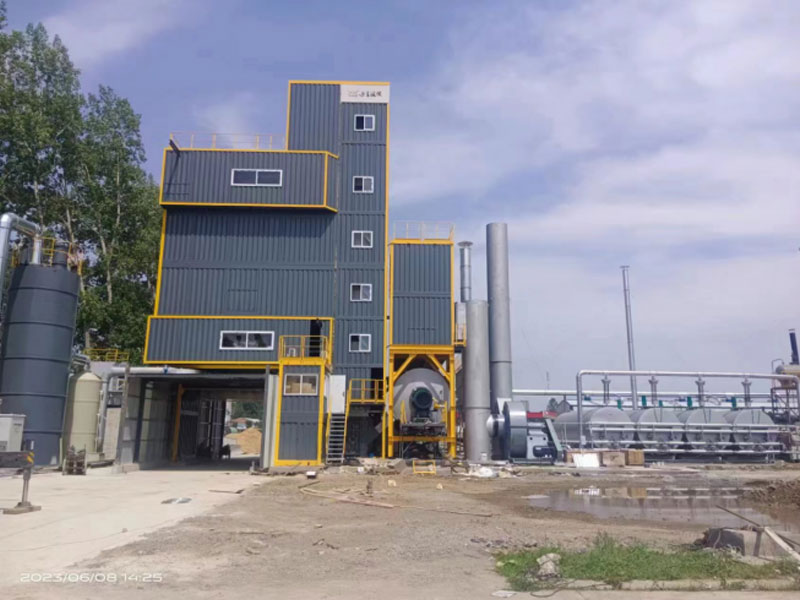
Finding a reliable supplier is crucial for a successful project. Research different manufacturers and compare their offerings. Look for companies with a proven track record, excellent customer support, and a commitment to quality. Taian Yueshou Mixing Equipment Co.,Ltd. is a leading manufacturer of high-quality mixing equipment, including solutions relevant to recycled asphalt plants. They offer a wide range of equipment tailored to meet diverse needs and project sizes. Always consider factors such as reputation, warranty, and after-sales service when selecting a supplier.
Conclusion
Recycled asphalt plants are essential for sustainable infrastructure development. By understanding their functionality, benefits, and the factors involved in their selection, you can make informed decisions to maximize their efficiency and positive impact. Remember to consider capacity, technology, maintenance, and supplier reliability when choosing your recycled asphalt plant.