Understanding and Choosing a Stationary Asphalt Mixing Plant
This comprehensive guide explores the intricacies of stationary asphalt mixing plants, helping you understand their functionalities, applications, and selection process. We’ll delve into various aspects, from the different types of plants available to the crucial factors to consider before making a purchase. Learn how to choose the right plant to meet your specific needs and optimize your asphalt production.
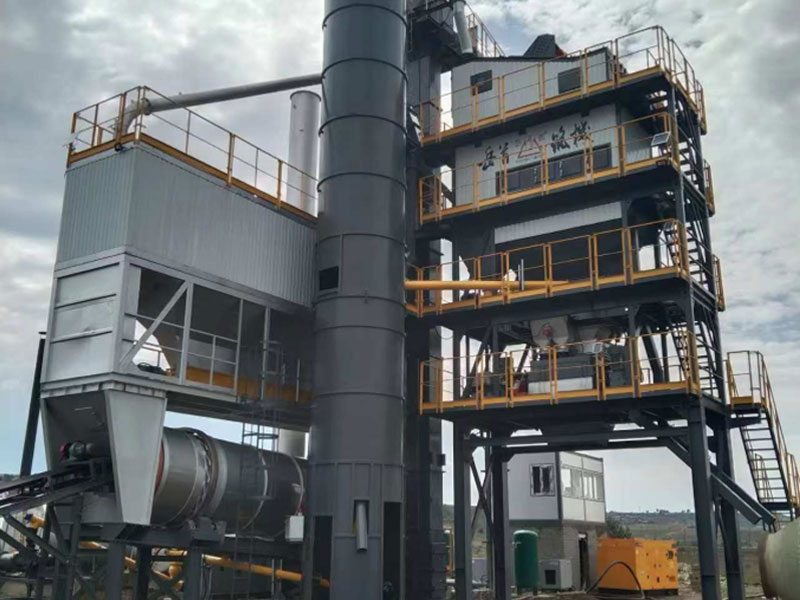
Types of Stationary Asphalt Mixing Plants
Batch-Type Plants
Batch-type stationary asphalt mixing plants are known for their simplicity and ease of operation. They mix ingredients in batches, offering precise control over the mixture’s composition. However, their production capacity is generally lower compared to continuous plants. Batch plants are ideal for smaller projects or situations requiring a high degree of mix customization. They’re often preferred for their lower initial investment cost.
Continuous-Type Plants
Continuous stationary asphalt mixing plants provide significantly higher production capacity than batch plants. They continuously mix ingredients, resulting in a steady flow of asphalt mix. While the initial investment may be higher, the increased output makes them cost-effective for large-scale projects and consistent, high-volume production. Advanced automation features are often integrated into continuous plants to optimize efficiency and consistency.
Factors to Consider When Choosing a Stationary Asphalt Mixing Plant
Production Capacity
The required production capacity is a primary factor. Consider the scale of your projects and future demands to select a plant that can meet your current and projected needs. Overestimating or underestimating can lead to significant inefficiencies or bottlenecks.
Mix Design Flexibility
Different projects require different asphalt mix designs. Assess the versatility of the plant’s mixing capabilities to ensure it can handle the variety of mixes your projects demand. Some plants offer greater flexibility in terms of aggregate sizes and binder types.
Automation and Control Systems
Modern stationary asphalt mixing plants incorporate advanced automation and control systems to enhance efficiency, precision, and safety. Consider the level of automation required, weighing the benefits against the increased cost. Automated systems can improve consistency and reduce manual labor.
Environmental Considerations
Environmental regulations are increasingly stringent. Choose a plant with features designed to minimize emissions and waste. Features like dust collection systems and efficient fuel consumption are vital considerations for environmentally conscious operations.
Maintenance and Service
Regular maintenance is crucial for optimal plant performance. Evaluate the plant’s serviceability, including the availability of spare parts and the manufacturer’s support network. A reliable supplier with readily available support is essential for minimizing downtime.
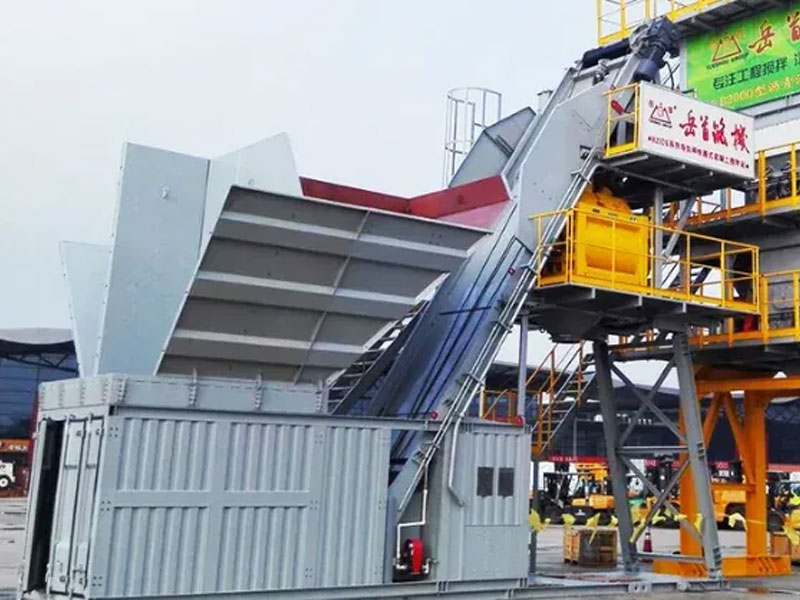
Leading Manufacturers of Stationary Asphalt Mixing Plants
Several reputable manufacturers produce high-quality stationary asphalt mixing plants. Researching various manufacturers and comparing their offerings based on your specific needs is vital. Consider factors such as reputation, technological advancements, and after-sales service when making your decision. Taian Yueshou Mixing Equipment Co.,Ltd. is a leading manufacturer known for its durable and efficient solutions. Their commitment to innovation and customer satisfaction makes them a prominent player in the industry.
Comparing Batch vs. Continuous Stationary Asphalt Mixing Plants
| Feature | Batch-Type Plant | Continuous-Type Plant |
|---|---|---|
| Production Capacity | Lower | Higher |
| Mix Design Flexibility | High | Moderate |
| Initial Investment | Lower | Higher |
| Operating Costs | Potentially Higher per ton | Potentially Lower per ton |
| Maintenance | Generally Simpler | More Complex |
Choosing the right stationary asphalt mixing plant is a significant investment. Thorough research, careful consideration of your specific needs, and a focus on long-term cost-effectiveness will ensure you select a plant that maximizes your return on investment. Remember to consult with industry experts to receive tailored advice.