Understanding and Choosing the Right RMC Concrete Plant
This comprehensive guide explores the intricacies of RMC concrete plants, outlining factors to consider when selecting a plant to meet your specific needs. We’ll delve into plant types, capacity considerations, technological advancements, and operational efficiency, providing you with the knowledge to make an informed decision.
Types of RMC Concrete Plants
Batching Plants
Batching plants are a common choice for RMC concrete plant operations. These plants mix concrete in batches, offering precise control over the mix design. They are suitable for projects requiring varied concrete mixes and smaller production volumes. The initial investment is generally lower compared to continuous plants, making them attractive for smaller-scale operations. However, they may have lower overall production capacity compared to continuous plants.
Continuous Plants
Continuous plants provide a higher output of concrete compared to batching plants. They mix concrete continuously, ideal for large-scale projects with consistent mix requirements. While offering higher production capacity and efficiency, the initial investment for a continuous RMC concrete plant is significantly higher. Maintenance can also be more complex and costly.
Mobile Plants
Mobile RMC concrete plants offer flexibility for projects in various locations. Their portability makes them suitable for temporary construction sites or projects requiring concrete production at multiple locations. However, the capacity of mobile plants is typically lower than stationary plants, and transportation costs need to be factored in.
Factors to Consider When Selecting an RMC Concrete Plant
Production Capacity
The required production capacity is a crucial factor. Consider the size and scope of your projects, the anticipated demand for concrete, and future growth potential. Choosing a plant with sufficient capacity will ensure smooth operations and prevent bottlenecks.
Mix Design Flexibility
Different projects have different concrete mix requirements. Assess your need for flexibility in mix design. Some plants offer advanced control systems allowing for adjustments in mix proportions to meet specific project needs.
Technology and Automation
Modern RMC concrete plants incorporate advanced technologies such as automated control systems, automated batching, and real-time monitoring. These features improve efficiency, reduce waste, and enhance quality control. Consider the level of automation that best suits your budget and operational needs. Investing in advanced technologies can lead to significant long-term cost savings.
Maintenance and Operational Costs
Evaluate the ongoing maintenance and operational costs associated with different plant types. Factor in expenses such as energy consumption, spare parts, and labor. Proper maintenance is crucial for ensuring the longevity and efficiency of your RMC concrete plant.
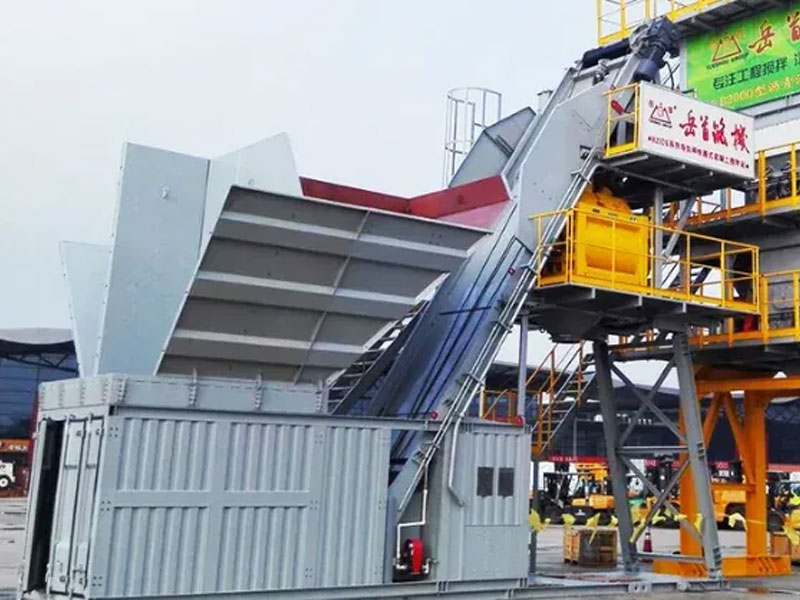
Choosing the Right Partner: Taian Yueshou Mixing Equipment Co., Ltd.
For reliable and high-quality RMC concrete plants, consider Taian Yueshou Mixing Equipment Co., Ltd.. They offer a range of solutions tailored to various project needs, incorporating cutting-edge technology and robust designs. Their commitment to quality and customer service makes them a trusted partner in the concrete industry.
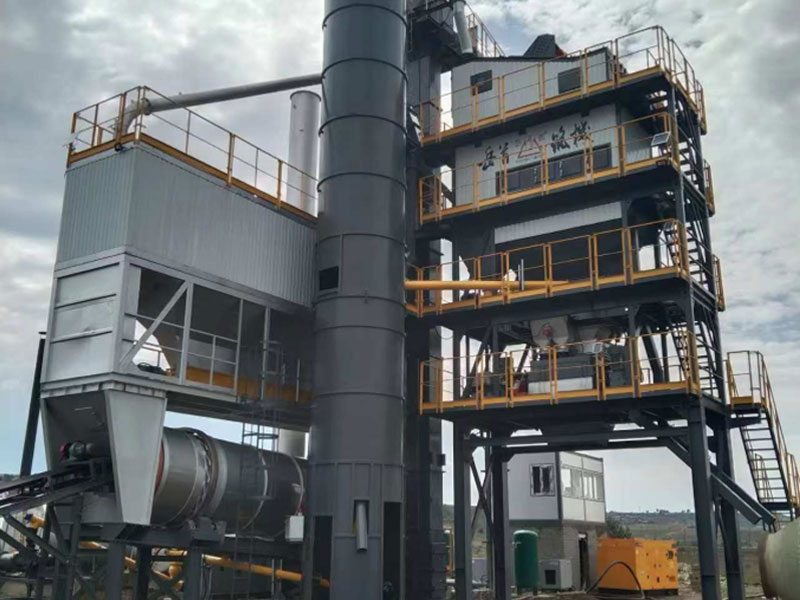
Comparing RMC Concrete Plant Types
| Feature | Batching Plant | Continuous Plant | Mobile Plant |
|---|---|---|---|
| Production Capacity | Low to Medium | High | Low |
| Initial Investment | Low | High | Medium |
| Mix Design Flexibility | High | Medium | Medium |
Remember to carefully assess your specific requirements before making a decision. The right RMC concrete plant will contribute significantly to the success of your projects.