If you’re asking that, you’re probably already frustrated. Everyone wants a simple number, but the real answer is: it depends. And that’s not a cop-out—it’s the first thing you learn after seeing a dozen projects go sideways because someone budgeted for just the sticker price of the machine itself. The biggest mistake? Thinking the price tag on the asphalt plant is the total cost. It’s like buying a car and forgetting you need fuel, insurance, and a place to park it.
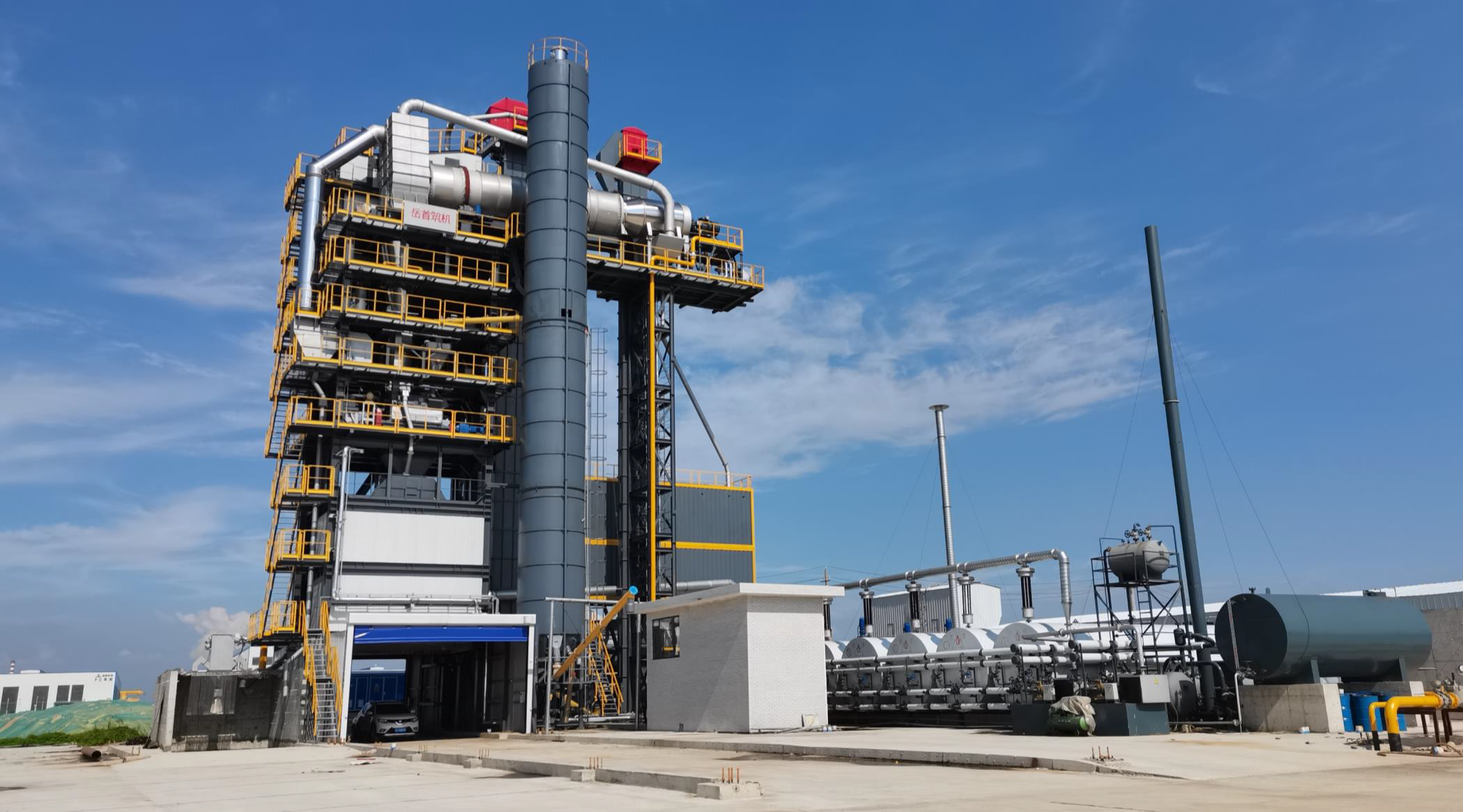
Breaking Down the It Depends
Let’s start with capacity. A portable 80-tph plant is a different universe from a stationary 320-tph facility. I’ve seen guys buy a smaller plant thinking they’d save capital, only to choke their production on a tight-schedule highway job. The price difference here can swing from, say, $300,000 to well over $2 million for the core equipment. But capacity alone is a trap.
The configuration is where the real decisions happen. Batch plant vs. drum mix? Parallel flow vs. counterflow drum? The choice here isn’t just about the asphalt plant price; it’s about your local material specs and emission regulations. A counterflow drum might have a higher initial cost, but if you’re dealing with high-moisture aggregates, the fuel savings in drying can justify it in 18 months. That’s a calculation you do on-site, not from a brochure.
Then there’s the options list—which are often necessities. The cold feed system, the baghouse or wet scrubber for dust collection, the hot mix silo, the control cabin with the level of automation you need. I remember a project where we skimped on the cold feed bin capacity. Ended up with constant stoppages because the loaders couldn’t keep up, killing our effective output. That saving cost us more in downtime than the upgrade would have.
The Hidden Multipliers Beyond the Machine
This is the part that gets buried. Foundation work. Electrical hookups. If you’re not on a grid with enough power, you’re looking at transformers or even generators. For a mid-sized plant, the civil and electrical work can easily add 30-50% to the equipment cost. I once saw a site where the soil testing was inadequate, leading to a redesigned, much more expensive foundation mid-installation. That blew the budget completely.
Logistics and installation. If you’re importing, freight, insurance, and customs duties are huge. Then you need a skilled crew to erect it. Some suppliers offer supervision, some don’t. The price from a manufacturer like Taian Yueshou Mixing Equipment Co.,Ltd. might look attractive on paper, but you have to factor in getting it from their factory in Taian, Shandong to your site. Their scale—with that 110,000 sq meter facility—means they can build and test large units, but you still have to move it.
Operational costs are part of the long-term price. Fuel efficiency of the burner, wear parts availability, the learning curve of the control system. A cheaper plant might have a less efficient burner, burning more diesel per ton of mix. Over a season, that difference pays for a lot of upgrades.
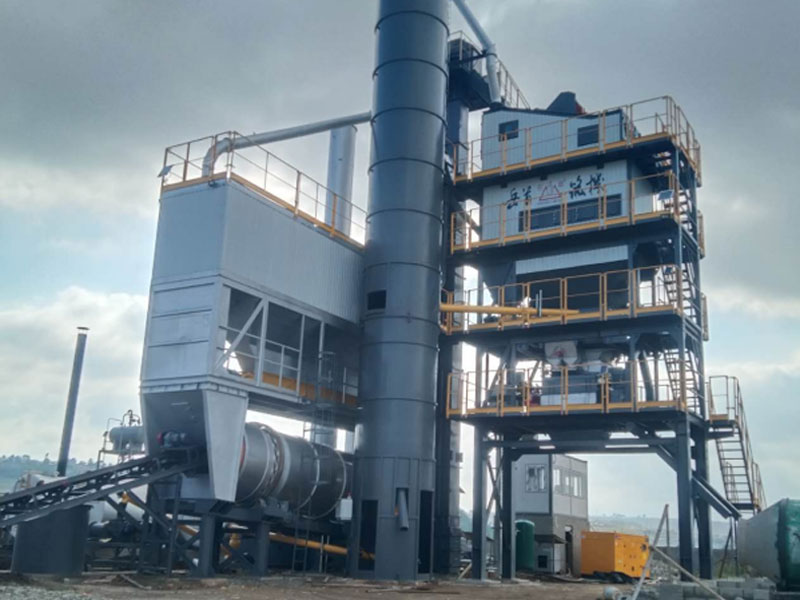
Real Numbers from the Field (Not a Catalog)
Here’s a rough, back-of-the-envelope range from recent years. A small, basic portable drum plant (80-120 tph) might land between $300,000 and $600,000 FOB. A standard 160-200 tph batch plant, fully equipped with a decent baghouse and basic automation, often sits in the $1M to $1.8M range. The large, high-spec stationary plants (250 tph+) can go from $2M to $5M and beyond. These are for the equipment package ready to ship.
But the turnkey price—ready to produce—is different. For a 200tph plant, I’d rarely budget less than $1.5M to $2.5M all-in, depending on site conditions. That includes the concrete, the wiring, the erection, and the initial spares. A company with extensive experience, like the mentioned Taian Yueshou, has seen these scenarios. Having over 1200 staff and 90,000 sq meters of workshop space suggests they handle the engineering for complex projects, which can prevent some hidden costs, but the site-specific factors are always on you.
A case that stuck with me: a contractor bought a bargain European plant. The unit itself was fine, but every minor repair required air-freighting parts and a specialist fly-in. The downtime costs were catastrophic. The plant price was low, but the cost-per-ton over three years was exorbitant. So, your supplier’s support network matters immensely.
Why Cheapest is the Most Expensive Answer
The market is flooded with options. Super-cheap quotes usually mean something is missing: maybe the steel thickness is lighter, the motors are a non-standard spec, or the dust collection system is undersized. I’ve walked past plants where the exterior panels were vibrating loose because the frame wasn’t rigid enough—a clear sign of cost-cutting in structural design.
It’s about total cost of ownership. A robust plant from a established maker might have a 15-20% higher upfront cost. But if it runs at 95% availability versus 80% for the cheaper one, and uses 10% less fuel, the payback is quick. You’re buying productivity, not just steel. Checking a company’s history—like seeing one established in the 1990s—gives a clue about their long-term viability and parts support.
Always, always get a detailed breakdown. Not just Drum Mix Plant – $XXX. Ask for the quote to list the burner brand, the fan motor KW, the baghouse filter area, the control system software level, and what’s included in installation. This list itself will tell you more about the real asphalt mixing plant price than the bottom line.
The Final, Unsatisfying Truth
So, It’s the capital expenditure plus the cost of making it operational, plus the cost of running it reliably for your specific needs over its lifespan. There is no single number.
The smart move is to define your project first: required tonnage per year, aggregate types, emission limits, available space, and intended mobility. Then, get quotes for complete solutions, not just equipment. Engage with engineers who ask you these questions first.
Look at companies that can show you working examples, not just catalogs. A visit to a manufacturing site, like the large complex Taian Yueshou operates, can reveal a lot about build quality and capability. In the end, you’re not just purchasing a machine; you’re investing in a production system. Price that system, not the invoice. That shift in thinking is what separates a problematic project from a profitable one.