Choosing the Right Mini Concrete Batching Plant for Your Needs
This guide provides a comprehensive overview of mini concrete batching plants, covering their types, features, applications, and factors to consider when making a purchase. We’ll explore the key specifications, helping you select the ideal solution for your project scale and budget.
Understanding Mini Concrete Batching Plants
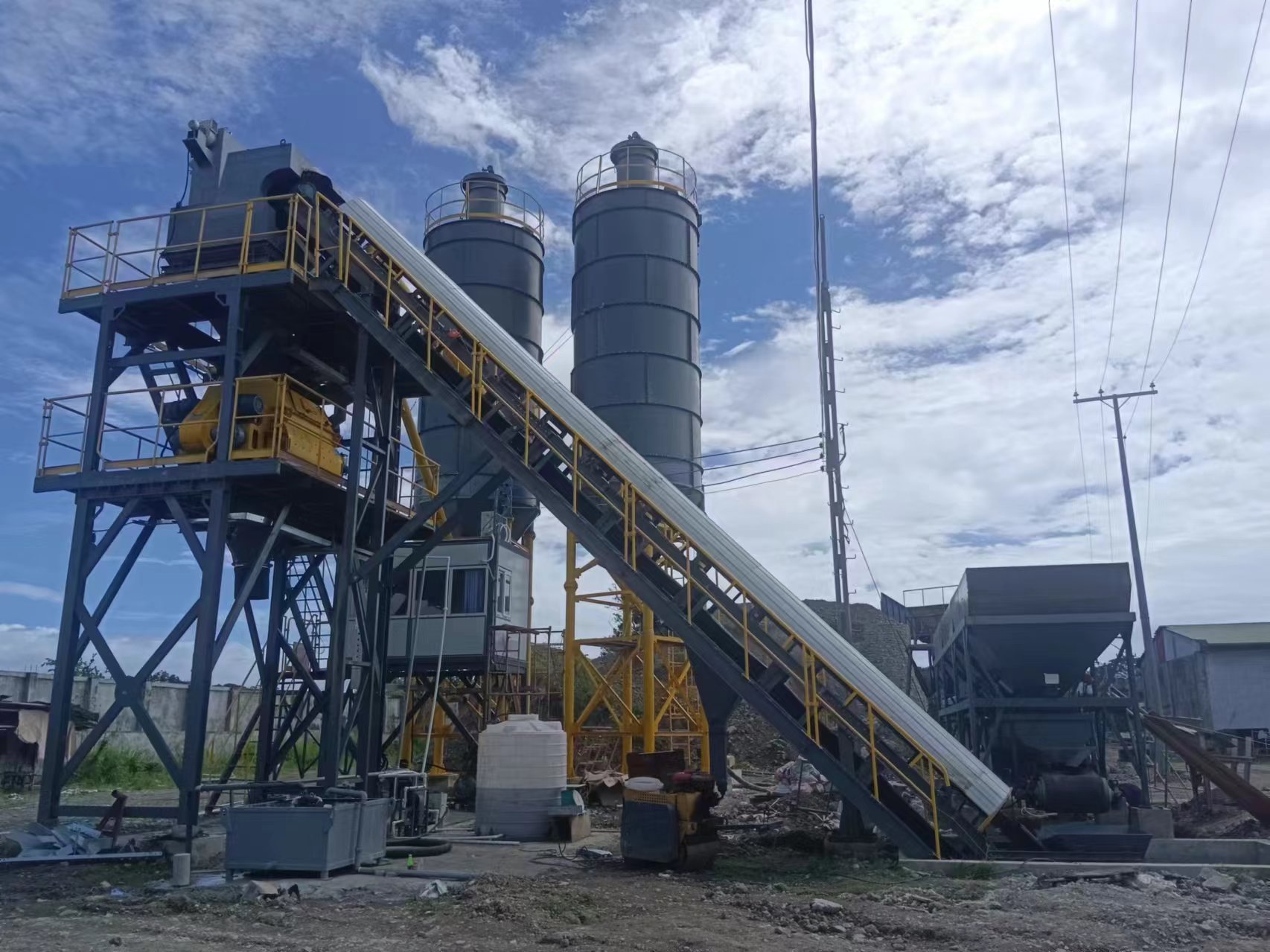
A mini concrete batching plant, also known as a small concrete batching plant, is a compact and mobile system designed for smaller construction projects. Unlike larger stationary plants, these units offer flexibility and portability, making them ideal for various applications where transporting large volumes of concrete isn’t practical or cost-effective. They are typically used for residential projects, smaller commercial buildings, and infrastructure projects requiring smaller concrete volumes. The capacity of a mini concrete batching plant ranges considerably, from smaller units producing a few cubic meters per hour to larger models capable of producing tens of cubic meters per hour.
Types of Mini Concrete Batching Plants
Several types of mini concrete batching plants cater to different needs:
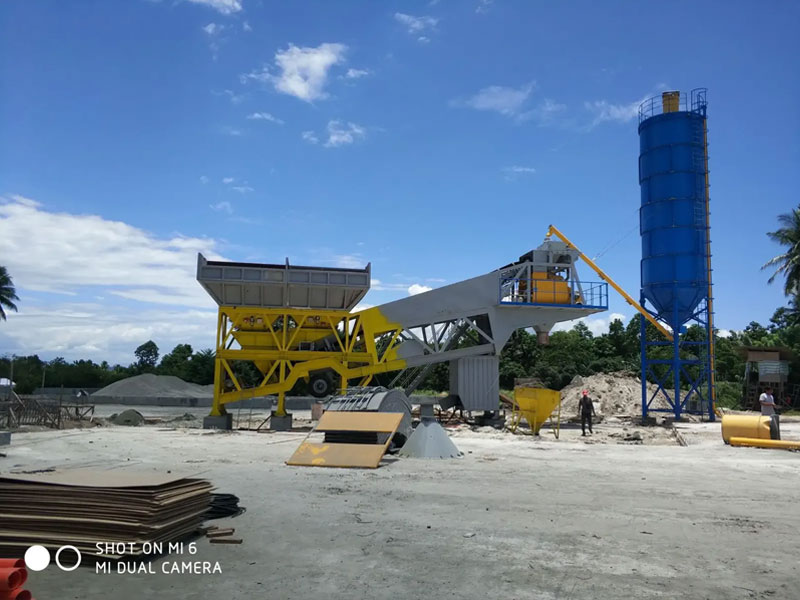
Mobile Mini Concrete Batching Plants
These plants are mounted on wheels or trailers, offering superior mobility. They’re easy to transport to different job sites, making them efficient for projects requiring relocation. Taian Yueshou Mixing Equipment Co.,Ltd. (https://www.taysmix.com/) offers a range of mobile options.
Stationary Mini Concrete Batching Plants
These plants are fixed in one location, typically offering higher production capacity than mobile counterparts. They are suitable for longer-term projects where mobility isn’t a primary concern.
Self-Loading Mini Concrete Batching Plants
These plants combine aggregate loading and batching in a single unit, streamlining the concrete production process. This feature increases efficiency, especially on smaller projects where labor costs are a significant factor.
Key Features to Consider
Choosing the right mini concrete batching plant requires careful consideration of several key features:
Capacity
The plant’s hourly output (measured in cubic meters) must match the project’s concrete requirements. Overestimating or underestimating capacity can lead to significant delays or unnecessary costs.
Mixing System
Different mixing systems, such as twin-shaft or planetary mixers, offer varied performance and mixing quality. Twin-shaft mixers are often preferred for their ability to handle a wider range of aggregate sizes and produce a more homogeneous mix.
Automation Level
Some mini concrete batching plants incorporate advanced automation features for improved accuracy and efficiency. Features like automated batching and control systems can reduce labor costs and improve overall productivity.
Power Source
Consider the availability of power at the job site. Options include diesel-powered or electric-powered plants, each with advantages and disadvantages depending on your circumstances.
Comparing Mini Concrete Batching Plants: A Sample Table
| Feature | Model A | Model B |
|---|---|---|
| Capacity (m3/h) | 20 | 30 |
| Mixing System | Twin-shaft | Planetary |
| Power Source | Diesel | Electric |
Choosing the Right Plant for Your Project
Selecting the appropriate mini concrete batching plant depends heavily on your specific project requirements. Factors such as budget, project size, location accessibility, and required concrete volume are crucial to consider. Thorough research and consultation with industry experts will ensure a well-informed decision.
Remember to always prioritize safety and adhere to all relevant safety regulations when operating a mini concrete batching plant.
1This information is based on general knowledge and industry best practices. Specific product details may vary. Please refer to manufacturer specifications for accurate details.