In the pursuit of sustainable development, one often overlooked but significant component is the role of superior asphalt plants. While they seem like a mere part of the infrastructure machine, their potential impact on eco-innovation is profound. The catch? Many industry players underestimate the potential of integrating advanced technologies and methodologies in asphalt production. Let’s delve into how a superior asphalt plant can truly foster eco-innovation.
The Green Potential of Asphalt Production
Asphalt production might sound like a mundane process, yet transforming it into an environmentally friendly operation requires strategic dismantling of traditional methodologies. The concept of eco-innovation in this industry is not just about reducing emissions; it demands a holistic approach, emphasizing energy efficiency, material recycling, and pollution control.
Take, for instance, Taian Yueshou Mixing Equipment Co.,Ltd., a renowned company based in Taian, China. With their sprawling 110,000 square meter facility, they’ve positioned themselves not just as manufacturers but as pioneers of sustainable practices. By leveraging their vast resources and over a thousand skilled staff, they are reimagining how asphalt plants can operate.
The introduction of energy-efficient machinery is a critical step. Modern plants can minimize energy consumption through innovative heat exchange technologies and optimized burner systems. Imagine cutting down fuel use by 20%—not only cost-efficient but also a significant step towards reducing carbon footprints.
Recycling and Reusability: A Game Changer
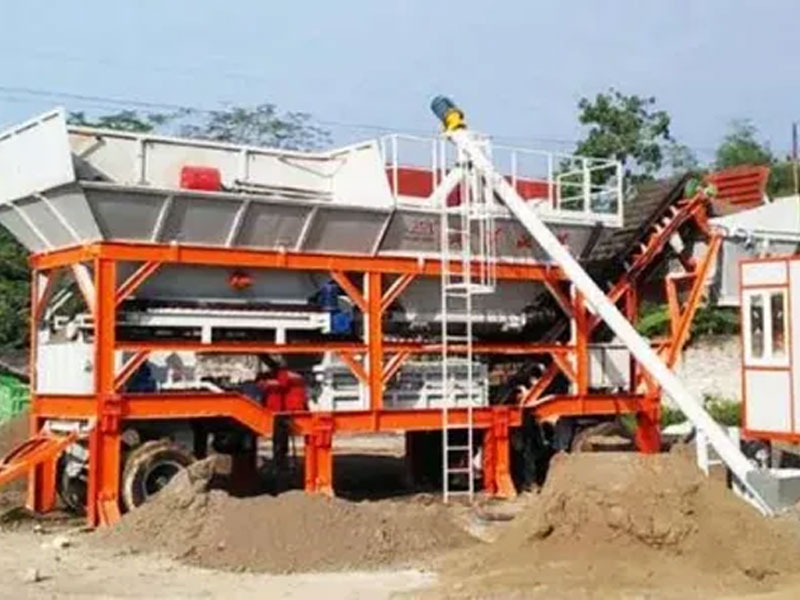
Recycling is a buzzword that often pops up in sustainability discussions, but in asphalt production, it takes on a transformative role. Superior asphalt plants don’t just dispose of old materials—they repurpose them. This isn’t just about crushing and reusing; it’s about reengineering the mix to enhance strength and durability.
Consider how Taian Yueshou’s advanced mixing equipment facilitates the incorporation of reclaimed asphalt pavement (RAP) effectively. The ability to mix RAP without compromising the quality of the final product is crucial. It requires the right technology to ensure that recycled materials seamlessly integrate into new layers.
But recycling isn’t without its challenges. The variability of recycled materials can affect the consistency of new asphalt, demanding precise controls and robust systems to ensure uniform quality. Industry experts often find themselves tweaking strategies, testing new additives, and fine-tuning methods to perfect this balance.
Pollution Control: Beyond the Basics
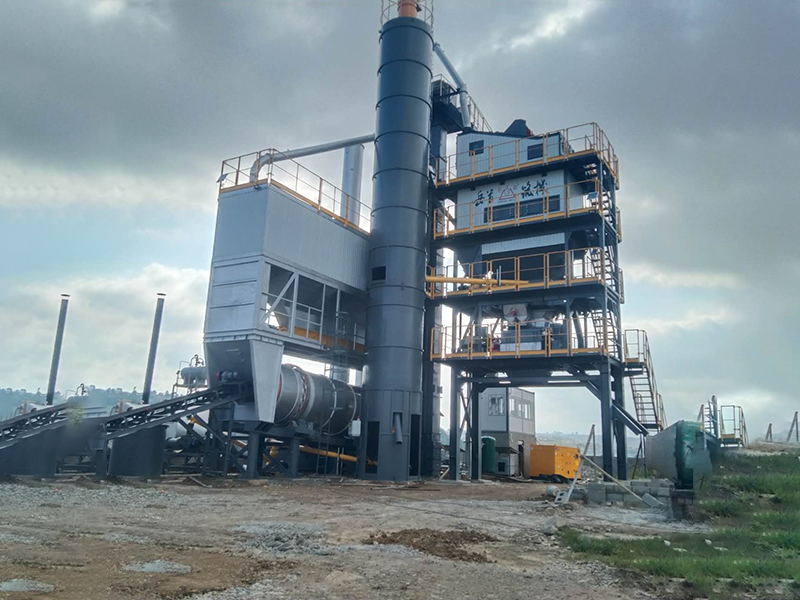
Addressing pollution in asphalt production isn’t merely about adhering to regulations; it’s about pioneering solutions that set new industry standards. With the deployment of cutting-edge dust collection systems and emissions scrubbers, companies like Taian Yueshou are leading the charge.
Effective pollution control systems go beyond dust—tackling volatile organic compounds (VOCs) and other hazardous emissions is equally vital. This necessitates continuous investment in research and development. The real-world application often involves iterative design improvements, based on on-ground feedback and evolving regulatory landscapes.
It’s also worth mentioning that holistic pollution control strategies must consider noise reduction, a factor that affects plant workers and nearby communities. This comprehensive approach not only safeguards the environment but also enhances workforce health and community relations.
Implementing Smart Technologies
In today’s digital age, smart technologies can significantly enhance the operations of asphalt plants. Automation and digital monitoring systems offer real-time insights, allowing for proactive adjustments and predictive maintenance. Such systems aren’t merely tools—they’re catalysts for efficiency and sustainability.
At facilities like those operated by Taian Yueshou, integrating sensors and AI-driven analytics has shown to substantially reduce operational hitches. The ability to foresee equipment failures and optimize production cycles can not only prevent costly downtimes but optimize resource usage.
Yet, the challenge here lies in change management. Incorporating such technologies requires training, adaptability, and a shift in traditional operational mindsets. Experienced professionals often find themselves navigating the complexities of tech integration while maintaining productivity standards.
Challenges and Opportunities
While the potential of superior asphalt plants in driving eco-innovation is immense, it isn’t without hurdles. High initial costs, technological integration challenges, and the need for skilled personnel are factors that can delay sustainable transformations.
However, opportunities abound. The global focus on sustainability presents incentives, both governmental and market-driven, to encourage green innovations in industries traditionally viewed as polluters. With the correct advocacy and collaboration, additional R&D funding and resources can substantially ease the transition.
Ultimately, superior asphalt plants are more than just production units; they are potential game-changers in the eco-innovation narrative. By continuously evolving and integrating sustainable practices, companies like Taian Yueshou Mixing Equipment Co.,Ltd. (visit their site at Taian Yueshou Mixing Equipment Co.,Ltd.) lay the groundwork for a truly sustainable construction future.