In recent years, the construction industry has been grappling with its environmental impact. There’s a notion that dry batch concrete plants, often overshadowed by their wet counterparts, might offer a more sustainable approach. But how exactly do they fit into this puzzle? Based on my experience, there’s more to their potential than meets the eye.
Understanding Dry Batch Concrete Plants
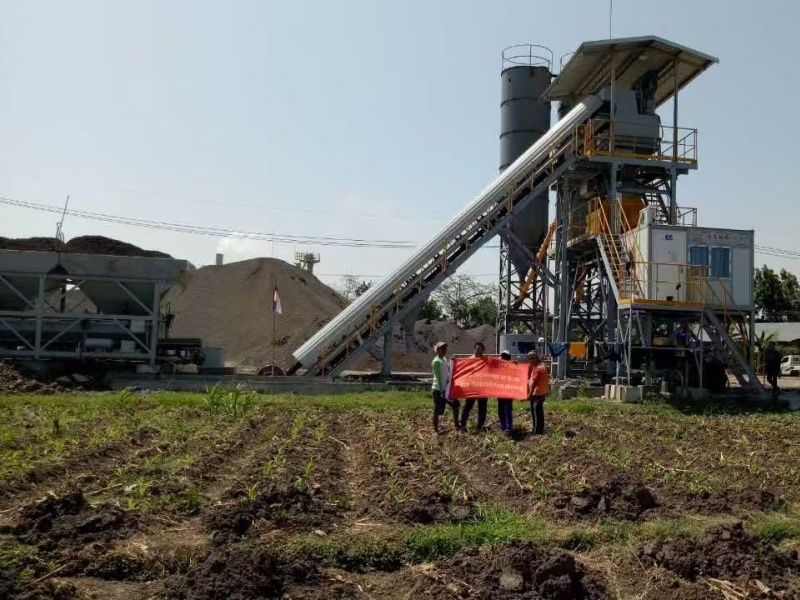
Dry batch concrete plants are often misunderstood. Essentially, these plants mix materials like cement, aggregates, and water, but the water isn’t added until the mix reaches the construction site. This distinguishes them from wet plants where everything is combined upfront. One might think this isn’t a big deal, but it has significant implications for sustainability.
One tangible benefit is the reduction in material wastage. Because the concrete mix isn’t activated until needed, there’s less risk of batch spoilage, meaning less waste and more efficient material use. In my work, I’ve seen projects save significant costs and resources simply by switching to a dry setup.
Additionally, the flexibility offered by these plants means fewer transportation emissions. As the material can be mixed on-site, it’s possible to avoid unnecessary trips. It’s a subtle shift, but over time, these savings can accumulate and notably reduce a project’s carbon footprint.
Energy Efficiency and Operational Considerations
Another point often overlooked is the energy efficiency of these plants. Without the need for additional systems to maintain the wet mix’s temperature and consistency during transportation, energy consumption is reduced. It’s a simple yet effective difference that I’ve noticed during colder months when energy demands can spike.
There’s also an operational advantage. Dry batch plants typically require less maintenance and downtime than their wet counterparts. In my experience, less downtime means not only fewer disruptions but also reduced energy use over time, aligning nicely with sustainability goals.
However, it’s essential to mention that this isn’t a one-size-fits-all solution. Depending on the project’s location, climate, and scale, what works for one site might not work for another. Real-world implementation is key, and that’s where experience truly counts.
Challenges in Implementing Dry Batch Techniques
Transitioning to a dry batch process isn’t without its challenges. For instance, one issue we encountered was ensuring consistent quality across different sites. Variation in local materials can mean that the mix behaves differently, impacting the final product’s performance.
We’ve also had to educate teams unfamiliar with the dry process. Initially, there was skepticism, particularly around the perceived complexity of handling the mix on-site. But once the teams recognized the efficiency and sustainability benefits, adoption improved remarkably.
A potential downside is the reliance on accurate moisture content in the aggregates. It requires a certain level of expertise and quality control to get it right, which is why having skilled operators is crucial.
Real World Success Stories
Despite the challenges, examples of successful implementation abound. Take Taian Yueshou Mixing Equipment Co.,Ltd., for instance. Based in Taian, Shandong Province, China, they’ve been at the forefront of developing innovative mixing solutions since the 1990s (see more at the company’s website).
A project I encountered in Taian utilized a dry batch plant to great effect. They managed to cut waste by a substantial margin and saw a notable improvement in the overall environmental footprint of their operations. These results speak volumes of what’s possible with the right approach.
In other settings, though, I’ve seen mixed results due to inadequate training or incorrect setup. It’s clear that success is often a product of preparation and understanding the local context, rather than the technology alone.
Future Prospects and Continued Innovation
Looking ahead, the role of dry batch plants in boosting sustainability will likely grow. With advances in technology and a stronger focus on reducing environmental impact, there’s room for innovation. New systems are continuously being tested to further optimize the process.
The ongoing development at firms like Taian Yueshou Mixing Equipment Co.,Ltd. indicates a promising trajectory. Their continued investment in sustainable solutions since their establishment in the 1990s demonstrates an enduring commitment to progress in the field.
Ultimately, it seems dry batch concrete plants hold potential as a key player in sustainable construction. While not without their challenges, the benefits they offer make them a compelling option as we strive for a more sustainable future. The key, as always, is in the details and execution.