Understanding and Choosing the Right Asphalt Plant
This comprehensive guide explores the world of asphalt plants, providing insights into their types, functionalities, and selection criteria. We’ll cover everything from the basics to advanced considerations, helping you make an informed decision for your specific needs. Whether you’re a seasoned contractor or just starting out, this resource aims to demystify the complexities of asphalt plant technology.
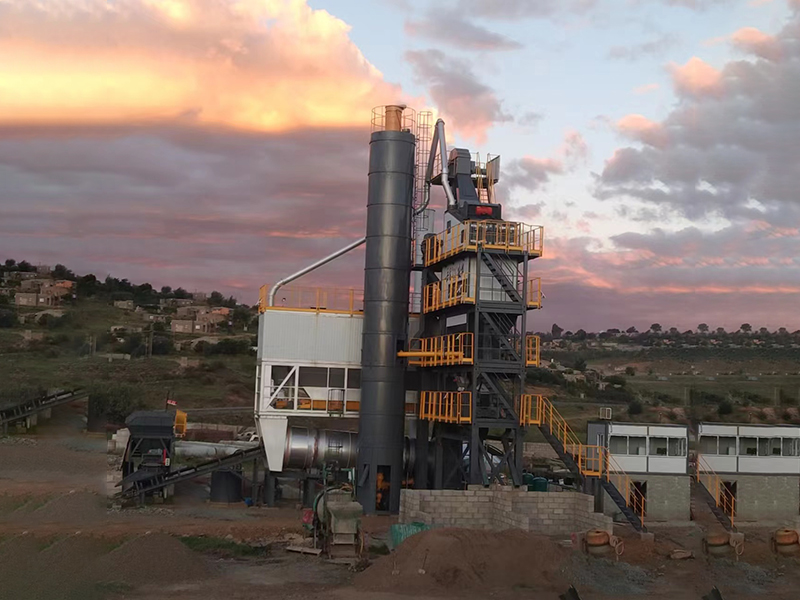
Types of Asphalt Plants
Batch Plants
Batch asphalt plants are known for their relative simplicity and ease of operation. They produce asphalt in discrete batches, offering good control over mix consistency for smaller projects. However, their output is generally lower compared to continuous plants. They are often preferred for smaller-scale projects where precision and quality control are paramount.
Continuous Plants
Continuous asphalt plants offer significantly higher production rates than batch plants. Their continuous operation makes them ideal for large-scale projects such as highway construction. While offering greater efficiency, they require more sophisticated control systems and a higher level of operator expertise. The initial investment is also typically higher.
Drum Mix Plants
Drum mix asphalt plants are a popular type of continuous plant. They use a rotating drum to mix the aggregates and asphalt cement. This design allows for thorough mixing and consistent product quality. Different models exist catering to various production capacities.
Parallel Flow Plants
Parallel flow asphalt plants are another type of continuous plant known for their efficient mixing process. The aggregates and asphalt cement flow in parallel paths before combining for thorough mixing, resulting in excellent uniformity.
Factors to Consider When Choosing an Asphalt Plant
Selecting the right asphalt plant is crucial for project success. Several factors must be carefully considered:
Production Capacity
The required production capacity directly impacts the choice of plant type and size. Larger projects demand high-capacity continuous plants, while smaller projects might be adequately served by batch plants. Consider your typical project sizes and future expansion plans.
Budget
The cost of an asphalt plant can vary significantly depending on its type, size, and features. Develop a realistic budget and explore financing options if necessary. The initial investment should be carefully weighed against long-term operational costs and potential return on investment.
Maintenance Requirements
Regular maintenance is essential for ensuring optimal asphalt plant performance and longevity. Consider the plant’s maintenance needs and the availability of skilled technicians. Look for plants with user-friendly designs and readily available parts.
Environmental Considerations
Modern asphalt plants incorporate features to minimize environmental impact. Consider factors such as emissions control and waste management capabilities. Check for compliance with local environmental regulations.
Table: Comparing Asphalt Plant Types
| Feature | Batch Plant | Continuous Plant |
|---|---|---|
| Production Capacity | Low | High |
| Initial Cost | Lower | Higher |
| Maintenance | Generally less complex | More complex and potentially more costly |
| Suitability | Smaller projects | Large-scale projects |
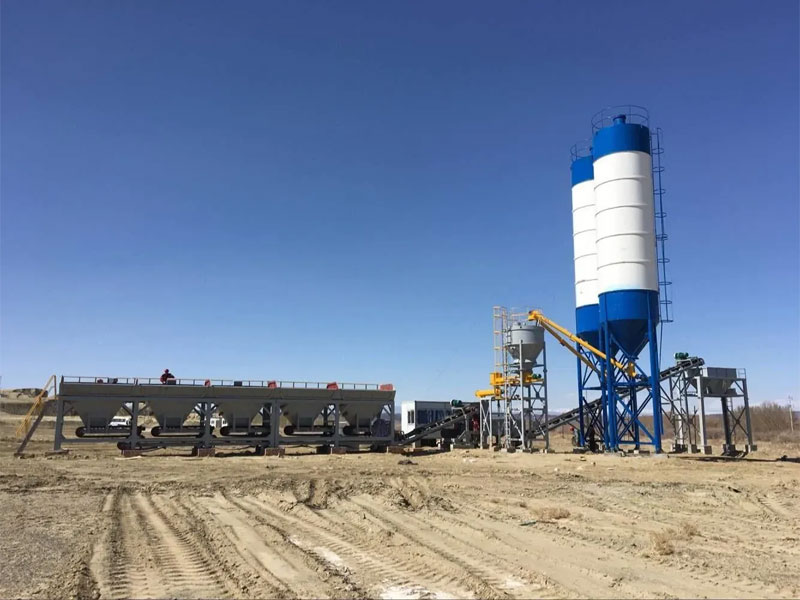
Leading Asphalt Plant Manufacturers
Numerous reputable manufacturers produce high-quality asphalt plants. Research and compare different brands, considering their reputation, technological advancements, and customer support. Always verify claims and specifications with independent sources.
For high-quality mixing equipment, consider exploring options from companies like Taian Yueshou Mixing Equipment Co.,Ltd. Their expertise in mixing technology translates to efficient and reliable asphalt plant components.
Remember, the selection of an asphalt plant is a significant decision. Thorough research, careful consideration of your project needs, and engagement with reputable manufacturers are essential for ensuring a successful and profitable investment.