Understanding and Choosing the Right Tarmac Asphalt Plants
This comprehensive guide explores the world of tarmac asphalt plants, covering various types, functionalities, and factors to consider when making a purchase decision. We’ll delve into the specifics of different plant designs, production capacities, and environmental considerations, helping you choose the ideal solution for your paving needs.
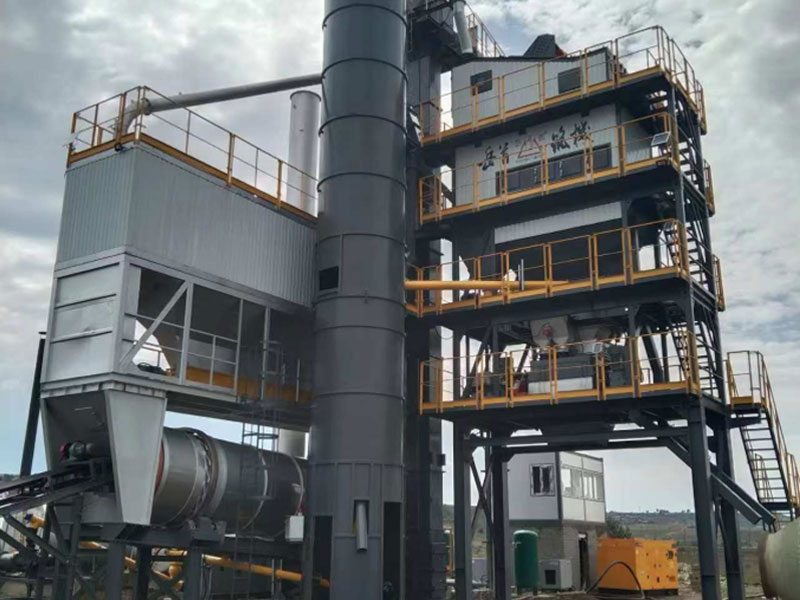
Types of Tarmac Asphalt Plants
Batch Plants
Batch tarmac asphalt plants offer a precise and controlled mixing process. They produce asphalt in individual batches, ensuring consistent quality. However, their production capacity is generally lower compared to continuous plants. Batch plants are ideal for smaller projects or where precise mix designs are critical. They are also often easier to maintain and operate.
Continuous Plants
Continuous tarmac asphalt plants are designed for high-volume production. They mix asphalt continuously, leading to significantly higher output. While offering greater efficiency, continuous plants require more sophisticated control systems and higher initial investment. These plants are best suited for large-scale projects requiring substantial quantities of asphalt.
Mobile Plants
Mobile tarmac asphalt plants provide flexibility and portability. Their compact design allows for easy transportation to different job sites, making them perfect for projects in remote locations or those requiring frequent relocation. Mobile plants are typically smaller in capacity compared to stationary plants, but their convenience makes them an excellent option for various projects.
Factors to Consider When Choosing a Tarmac Asphalt Plant
Selecting the right tarmac asphalt plant involves careful consideration of several key factors:
Production Capacity
Determine your required asphalt production capacity based on the scale of your projects. This will influence the type and size of plant you need. A small plant might suffice for local road repairs, while a larger plant is necessary for major highway construction.
Fuel Type
Tarmac asphalt plants operate using different fuel types, including natural gas, liquefied petroleum gas (LPG), and diesel. Choose a fuel type considering its cost-effectiveness, availability, and environmental impact. The environmental implications are increasingly significant and should be a key factor in your decision.
Automation and Control Systems
Modern tarmac asphalt plants incorporate advanced automation and control systems for enhanced precision and efficiency. These systems optimize the mixing process, reduce waste, and improve overall productivity. Consider the level of automation that aligns with your operational needs and budget.
Environmental Considerations
Environmental regulations regarding emissions and waste management are becoming increasingly stringent. Choose a plant that meets or exceeds these regulations, minimizing its environmental impact. Look for plants with features like efficient dust collection systems and emissions control technology. Consider exploring the potential for sustainable practices in your operations.
Comparing Tarmac Asphalt Plant Types
| Feature | Batch Plant | Continuous Plant | Mobile Plant |
|---|---|---|---|
| Production Capacity | Low to Medium | High | Low to Medium |
| Mix Consistency | High | High | High |
| Portability | Low | Low | High |
| Initial Investment | Low to Medium | High | Medium |
Choosing the Right Partner
Selecting a reliable supplier is crucial for the success of your project. Consider factors like experience, reputation, and after-sales service when making your decision. A strong partnership will ensure that you receive the right equipment and support throughout the entire process.
For high-quality tarmac asphalt plants and exceptional customer support, consider Taian Yueshou Mixing Equipment Co.,Ltd.. They offer a range of solutions to meet diverse project needs. Contact them to discuss your specific requirements.
Remember, careful planning and selection of the appropriate tarmac asphalt plant are essential for successful asphalt production. By considering the factors outlined above, you can make an informed decision that meets your specific project needs and budget.