Innovations in tarmac concrete production have steadily transformed plants to be increasingly eco-friendly, but the journey hasn’t been straightforward. Many assume that heavy industry and sustainability are incompatible, yet that’s not always the case. The real challenge lies in the day-to-day operations, balancing the demands of production with environmental impact. Let’s dive into the layers of what’s possible and what obstacles persist.
Adopting Green Technologies
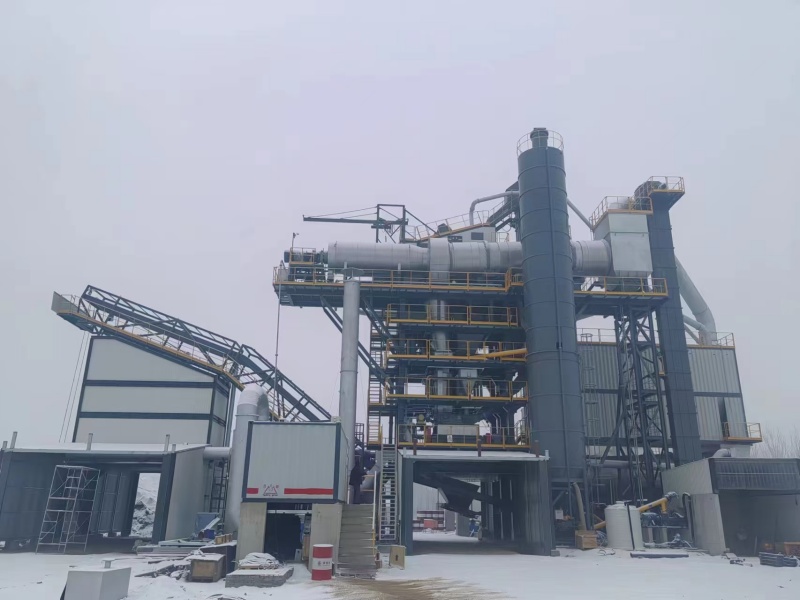
The adoption of eco-friendly technologies has significantly shaped modern tarmac concrete plants. Over the years, the integration of recycling systems is perhaps the most notable. I recall visiting a plant that seamlessly integrated recycled materials into its production cycle, reducing waste substantially. The challenge, however, lies in ensuring the quality of the final product remains uncompromised. Quality assurance becomes more complex but not insurmountable.
Moreover, energy consumption is a critical factor in sustainability. Advanced energy-efficient machinery has become a game changer. It reminded me of an older facility upgrading its equipment and cutting its energy use by roughly 30%. The adjustments involved practical changes rather than a complete overhaul, illustrating that small, incremental upgrades often hold tremendous potential.
Despite progress, these technologies require hefty investment. Companies like Taian Yueshou Mixing Equipment Co.,Ltd., located in Taian, Shandong Province, China (more at their website), have been pushing these boundaries, but smaller players may struggle to keep pace without outside assistance or incentives.
Reducing Environmental Footprint
Another aspect of modern tarmac plants is their focus on reducing their environmental footprint. One method is water recycling. I’m reminded of a scenario in which a site manager noted the paradox of needing water for concrete and yet striving to minimize its use. Methods to reclaim and purify water have become essential, and watching these systems in action gives a sense of practical sustainability.
Emissions management is another critical area. While innovations are ongoing, I’ve observed both successful and struggling systems. For instance, dust suppression technologies have become common, yet their effectiveness can vary based on location-specific factors like climate. Installing the right system requires more than just technology; it demands local knowledge and adaptability.
Meanwhile, noise reduction, though often less discussed, plays a role. Neighborhood complaints can be a real issue, emphasizing that being eco-friendly isn’t just about the bigger environmental picture but also local community relations.
Material Innovations
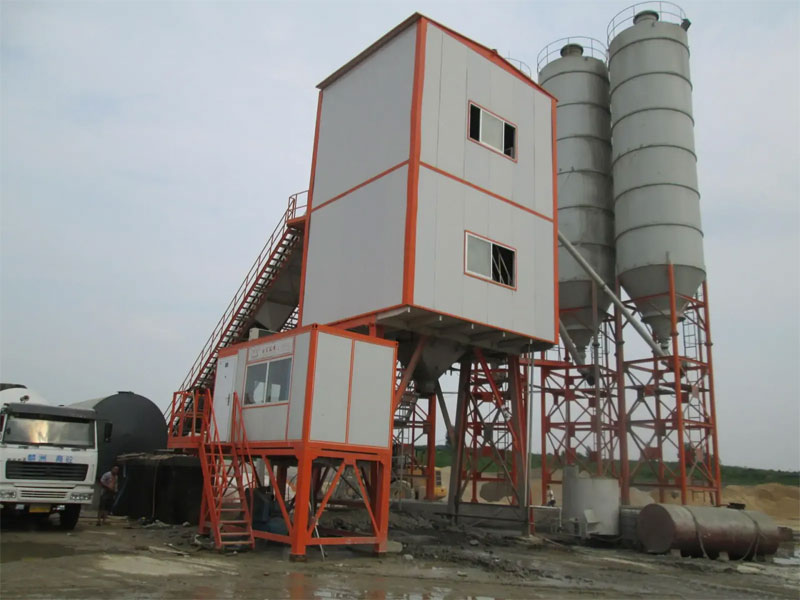
Materials themselves are changing. The use of alternative binders or supplementary cementitious materials (SCMs) can lower CO2 emissions. However, shifting to these materials isn’t straightforward. During a conference, I listened to experts debating the balance between innovation and proven reliability. This debate highlights that while new materials offer environmental benefits, their adoption depends heavily on rigorous testing and general acceptance within the industry.
Recycling concrete is another frontier. It’s a process that not only reduces landfill waste but also reuses valuable materials. Yet, I’ve seen varying outcomes depending on the process and material quality. This variability stresses the necessity for ongoing research and standardization within the industry.
Suppliers like Taian Yueshou Mixing Equipment Co.,Ltd. continue to play pivotal roles, exploring new material technologies with more than 1200 skilled staff, underscoring the importance of having a dedicated team on innovations to drive these advancements forward.
Challenges in Implementation
While many solutions exist, their implementation is rarely without hurdles. Financial constraints are an obvious factor. Investments in eco-friendly technology don’t always offer immediate returns, creating hesitation among companies. I’ve seen plans shelved due to budget priorities, highlighting the need for long-term thinking over short-term gains.
Moreover, regulatory hurdles can significantly impact progress. Compliance with new environmental regulations often requires shifts in operations that can be both costly and complex. Meeting these demands necessitates not only new technology but also retraining for employees, which is another layer of complexity that companies must manage.
It’s a real juggling act—achieving operational efficiency while maintaining compliance and sustainability. But companies like Taian Yueshou Mixing Equipment Co.,Ltd. have shown that with a dedicated approach and a strong technological base, it is possible to move toward a more sustainable future in concrete and tarmac production.
The Road Ahead
In conclusion, achieving an eco-friendly tarmac concrete plant involves navigating a maze of obstacles. From adapting new technologies and reducing emissions to innovating materials, the path is replete with challenges and opportunities. The role of companies like Taian Yueshou Mixing Equipment Co.,Ltd. is instrumental. With their commitment and resources, they provide a leading example of how traditional industries can embrace sustainability.
Where do we go from here? It’s about action and adaptation. Sharing knowledge and experiences, much like those I’ve encountered, will keep pushing the industry toward innovative solutions. As this journey continues, we learn that sustainability in concrete isn’t just a destination but a process, demanding both creativity and resilience from all involved.
The task now is to continue bridging the gap between ambition and practice, ensuring the future of tarmac plants is as green as possible.