A Comprehensive Guide to Cement Concrete Plants
This guide provides a detailed overview of cement concrete plants, covering their design, operation, types, and the crucial factors to consider when establishing or optimizing one. Learn about the key components, automation advancements, and best practices for efficient and sustainable production. Discover how to choose the right equipment and understand the environmental considerations involved in the cement concrete industry.
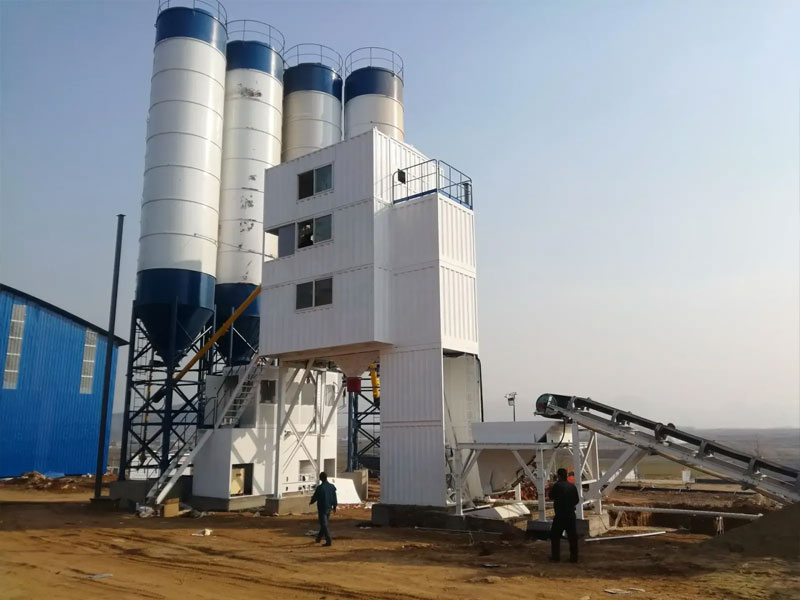
Understanding Cement Concrete Plants
What is a Cement Concrete Plant?
A cement concrete plant is a facility designed to manufacture concrete, a composite material composed of cement, aggregates (sand, gravel, or crushed stone), water, and sometimes admixtures. These plants range from small, portable mixers used in construction projects to large, stationary facilities capable of producing significant volumes of concrete daily. The primary function is to efficiently and effectively combine these ingredients to produce high-quality concrete that meets specified strength and durability requirements.
Types of Cement Concrete Plants
There are several types of cement concrete plants, each tailored to specific production needs and scales. These include:
- Batching Plants: These plants mix ingredients in discrete batches, offering precise control over the concrete mix design. They are commonly used for smaller projects and offer flexibility in adjusting the mix proportions.
- Continuous Plants: These plants mix ingredients continuously, leading to higher production rates. They are suitable for large-scale projects with consistent concrete demands.
- Mobile Plants: These portable plants are ideal for projects in remote locations or where transportation of concrete is challenging. Their mobility and ease of setup make them a versatile option.
- Central Mix Plants: These plants mix the ingredients at a central location and then transport the ready-mix concrete to the construction site. This method is efficient for large projects.
- Transit Mix Plants: These plants combine mixing and transportation into a single operation, often using specialized trucks.
Key Components of a Cement Concrete Plant
Material Handling and Storage
Efficient material handling is crucial for a smooth operation. This typically involves systems for storing and conveying cement, aggregates, water, and admixtures. Modern plants often utilize automated systems to optimize material flow and minimize waste.
Batching and Mixing
Accurate batching of ingredients is vital for producing consistent concrete quality. Advanced cement concrete plants utilize computerized batching systems that ensure precise measurements and minimize errors. The mixing process itself is key; efficient mixers guarantee homogenous concrete. Consideration of mixer type (e.g., pan mixer, twin-shaft mixer) is dependent on your needs.
Quality Control
Maintaining consistent concrete quality requires rigorous quality control measures throughout the process. This includes regular testing of ingredients and finished concrete to ensure adherence to specifications. Modern plants integrate automated quality control systems for continuous monitoring and data analysis.
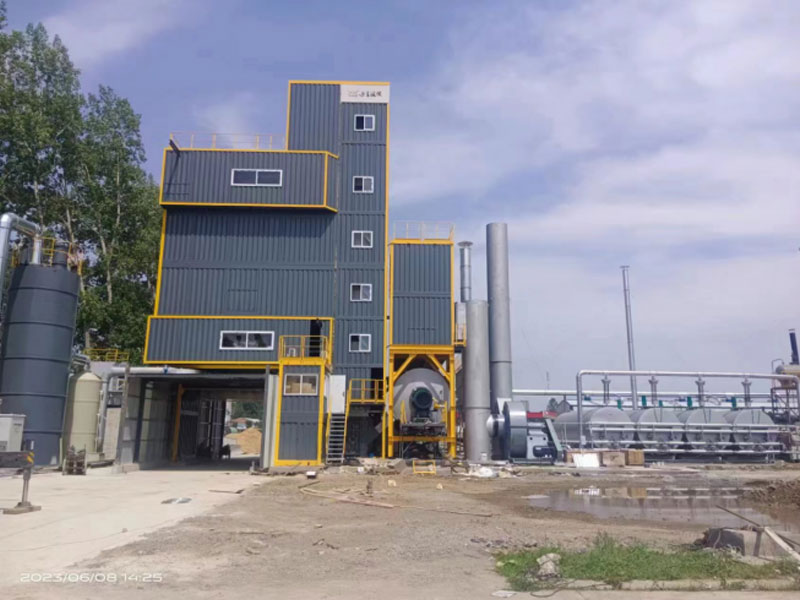
Choosing the Right Cement Concrete Plant
Selecting the right cement concrete plant depends on several factors, including:
- Production capacity (m3/hr)
- Type of project (residential, commercial, infrastructure)
- Budget
- Location and accessibility
- Automation level
For reliable and high-quality mixing equipment, consider exploring options from reputable manufacturers like Taian Yueshou Mixing Equipment Co.,Ltd.. They offer a range of solutions to meet various cement concrete plant needs.
Environmental Considerations
Environmental responsibility is increasingly important in the cement concrete industry. Modern cement concrete plants incorporate technologies to minimize their environmental footprint, including dust suppression systems, water recycling, and energy-efficient equipment.
Conclusion
Establishing and operating a successful cement concrete plant requires careful planning, the right equipment, and a commitment to quality and sustainability. By understanding the various types of plants, their components, and the relevant environmental considerations, you can make informed decisions to optimize production and efficiency.
table { width: 700px; margin: 20px auto; border-collapse: collapse;}th, td { border: 1px solid #ddd; padding: 8px; text-align: left;}th { background-color: #f2f2f2;}