A Comprehensive Guide to Concrete Batching Plants
This guide provides a thorough overview of concrete batching plants, covering their types, functionalities, selection criteria, and operational considerations. We explore various factors to help you make informed decisions when choosing a concrete batching plant for your specific needs. From stationary to mobile options, we delve into the intricacies of this crucial piece of construction equipment.
Understanding Concrete Batching Plants
A concrete batching plant is a crucial piece of equipment in the construction industry, responsible for accurately mixing the ingredients of concrete—cement, aggregates (sand, gravel, etc.), water, and admixtures—to produce a consistent and high-quality concrete mix. The efficiency and precision of a concrete batching plant directly impact the speed and quality of construction projects. Different types cater to various project scales and site conditions. Choosing the right plant is vital for success.
Types of Concrete Batching Plants
Stationary Concrete Batching Plants
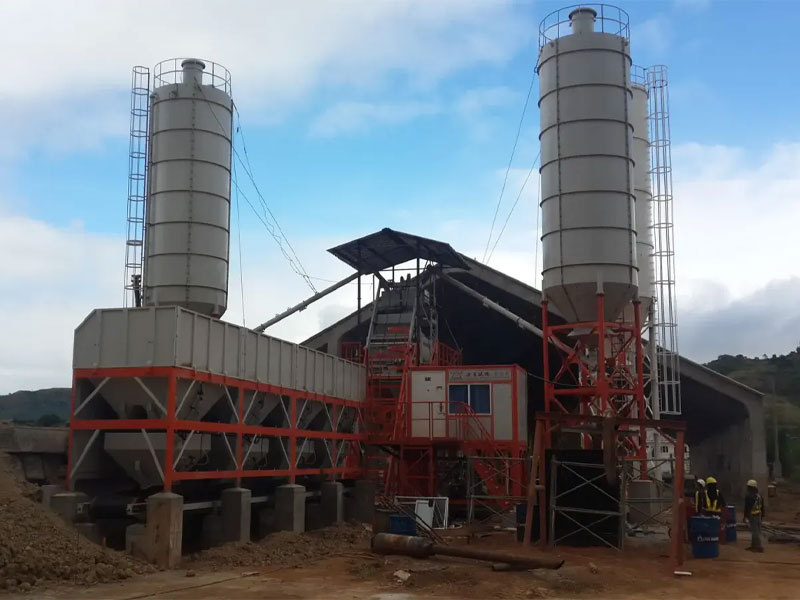
Stationary concrete batching plants are permanently installed at a fixed location, typically for large-scale projects requiring high production volume. They are characterized by their robustness, capacity, and advanced automation features. These plants often incorporate sophisticated control systems for precise batching and quality control. Their large capacity makes them ideal for large infrastructure projects, commercial buildings, and other massive undertakings. Taian Yueshou Mixing Equipment Co.,Ltd. (https://www.taysmix.com/) offers a range of high-quality stationary plants.
Mobile Concrete Batching Plants
Mobile concrete batching plants offer greater flexibility, ideal for projects at various locations. Their portability allows them to be transported and set up quickly on different sites, making them suitable for smaller projects, road construction, and locations with limited space. While generally smaller in capacity compared to stationary plants, mobile units provide a practical solution for varied construction requirements. Consider factors like transportation costs and setup time when choosing a mobile plant.
Dry Mix Concrete Batching Plants
Dry mix concrete batching plants pre-mix the dry ingredients (cement and aggregates) before adding water at the job site. This method allows for efficient transportation and on-site mixing, ideal for projects with limited space or where water availability is a concern. Dry mix plants often feature efficient dust control mechanisms to prevent environmental issues.
Factors to Consider When Choosing a Concrete Batching Plant
Selecting the right concrete batching plant involves careful consideration of several key factors:
| Factor | Considerations |
|---|---|
| Production Capacity | Cubic meters per hour needed to meet project demands. |
| Type of Plant | Stationary, mobile, or dry mix, depending on project requirements and site conditions. |
| Automation Level | Degree of automation desired to improve efficiency and accuracy. |
| Budget | Initial investment cost, maintenance expenses, and operational costs. |
Maintenance and Operation of Concrete Batching Plants
Regular maintenance is vital to ensure the longevity and optimal performance of your concrete batching plant. This includes scheduled inspections, component replacements, and cleaning to prevent malfunctions and ensure consistent output. Proper operator training is essential for safe and efficient operation.
Conclusion
Investing in the right concrete batching plant is a crucial decision for any construction project. By carefully considering the factors outlined above and understanding the different types of plants available, you can select the solution that best meets your specific needs and contributes to the successful completion of your project. Remember to research reputable suppliers like Taian Yueshou Mixing Equipment Co.,Ltd. for quality equipment and support.