Choosing the Right Small Concrete Plant for Your Needs
This comprehensive guide helps you navigate the world of small concrete plants, outlining key factors to consider when selecting the ideal solution for your project. We’ll explore different types, capacities, features, and costs to ensure you make an informed decision. Learn about crucial aspects like concrete output, mixing quality, and operational efficiency to find the perfect small concrete plant for your specific requirements.
Understanding Your Concrete Needs
Project Scope and Scale
Before investing in a small concrete plant, accurately assess your project’s scope. Consider the volume of concrete required, the project’s duration, and the frequency of concrete production. A small-scale project might only need a batch mixer, while larger projects may necessitate a more sophisticated small concrete plant with higher production capacity. Think about the size of your job sites and the space available for your equipment.
Concrete Mix Requirements
The type of concrete mix needed dictates the type of small concrete plant you require. Different projects demand different concrete strengths and compositions. Some plants offer adjustable mix ratios for versatility. Consider factors such as slump, compressive strength, and the specific ingredients required for your mix design.
Types of Small Concrete Plants
Mobile Small Concrete Plants
Mobile units offer flexibility and are ideal for projects with changing locations or limited space. They are typically compact and easy to transport, perfect for smaller construction sites. However, their portability sometimes comes at the cost of production capacity compared to stationary units.
Stationary Small Concrete Plants
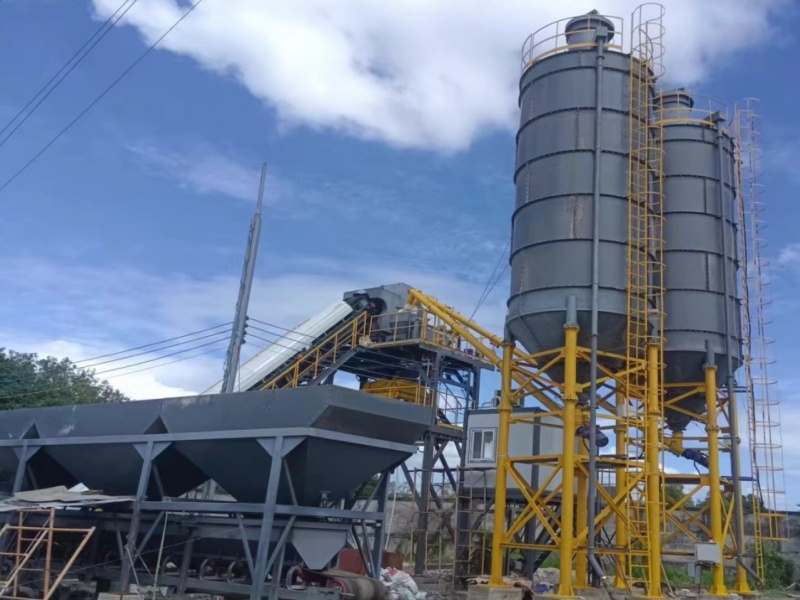
Stationary small concrete plants are designed for continuous operation at a fixed location. They typically offer higher production capacities than mobile units and provide a more consistent concrete mix. Their permanent installation requires sufficient space and may involve site preparation.
Batching Plants vs. Continuous Mix Plants
Batching plants mix concrete in discrete batches, offering precise control over the mix design for each batch. Continuous mix plants provide a constant stream of concrete but may offer less precise control over the mix. The choice depends on your project’s requirements for consistency and batch size.
Key Features to Consider
| Feature | Benefits | Considerations |
|---|---|---|
| Capacity | Determines production speed and efficiency. | Match to project needs; avoid over- or under-capacity. |
| Automation | Reduces manual labor, improves accuracy, and increases efficiency. | Higher initial cost, but potential for long-term savings. |
| Durability | Ensures long lifespan and reduces maintenance costs. | Consider material quality and construction. |
Table 1: Key Features of Small Concrete Plants
Choosing the Right Supplier
Research and compare different suppliers of small concrete plants. Consider factors such as reputation, customer service, warranty, and after-sales support. Look for companies with a proven track record and positive customer reviews. For reliable and high-quality small concrete plants, explore options from reputable manufacturers like Taian Yueshou Mixing Equipment Co.,Ltd. which provides a wide range of efficient and durable solutions. Always compare specifications, prices, and guarantees before making a decision.
Cost and Return on Investment (ROI)
The cost of a small concrete plant varies significantly depending on the size, features, and supplier. Factor in initial purchase price, installation costs, operating expenses (electricity, maintenance), and potential labor savings when calculating your ROI. A detailed cost analysis is essential for making a financially sound decision.
Conclusion
Selecting the appropriate small concrete plant is crucial for project success. By carefully considering your concrete needs, exploring different plant types and features, and choosing a reputable supplier, you can ensure your investment yields optimal results. Remember to conduct thorough research and compare options before making a final decision.