Choosing the Right Concrete Mixing Plant
This guide helps you understand the various types of concrete mixing plants, their features, and how to select the best one for your needs. We’ll cover everything from stationary plants to mobile units, considering factors like capacity, automation, and budget. Choosing the right equipment is crucial for efficient and profitable concrete production.
Types of Concrete Mixing Plants
Stationary Concrete Mixing Plants
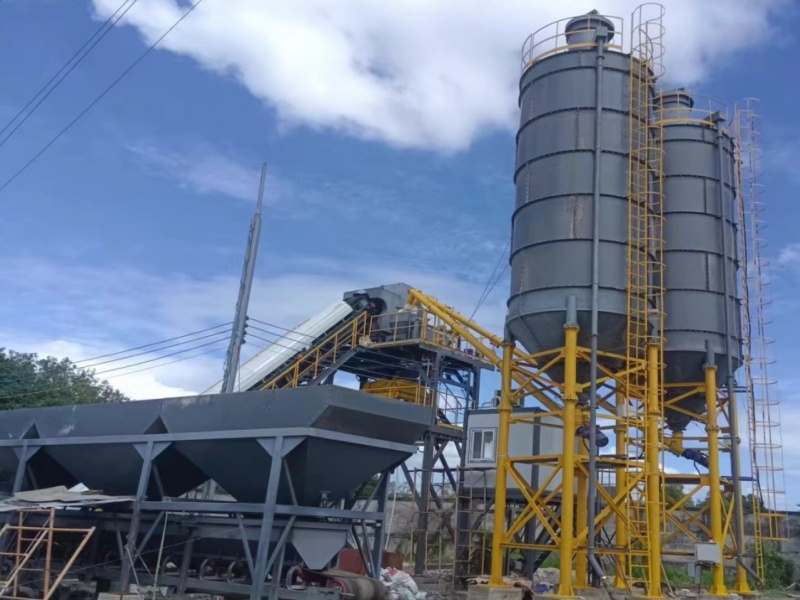
Stationary concrete mixing plants are large-scale facilities designed for continuous, high-volume concrete production. They are typically permanently installed at a single location and offer high production capacity, often incorporating advanced automation features for increased efficiency. These plants are ideal for large construction projects or ready-mix concrete suppliers requiring consistent and high-volume output. The initial investment is significant but can be offset by the long-term productivity gains. Taian Yueshou Mixing Equipment Co.,Ltd. offers a range of high-quality stationary plants.
Mobile Concrete Mixing Plants
Mobile concrete mixing plants offer flexibility and portability. They are ideal for projects in remote locations or where transportation of ready-mix concrete is difficult or expensive. They are typically smaller than stationary plants and have lower production capacity, but their mobility makes them a cost-effective solution for smaller projects. Consider factors like transport requirements and site accessibility when choosing a mobile plant. The ease of relocation is a key benefit for contractors working on multiple, dispersed projects.
Batching Plants
Batching plants are crucial components in many concrete mixing plants, regardless of whether they are stationary or mobile. These plants precisely measure and combine the aggregates, cement, and water to achieve the desired concrete mix design. The accuracy of batching directly impacts the quality and consistency of the final concrete product. Different batching systems exist, varying in automation level and capacity. Advanced systems often incorporate computer controls for precise ingredient metering and real-time monitoring.
Factors to Consider When Selecting a Concrete Mixing Plant
Selecting the right concrete mixing plant involves careful consideration of several key factors:
Capacity and Production Requirements
Determine your daily or weekly concrete production needs. This will dictate the required capacity of the mixing plant. Overestimating capacity leads to unnecessary costs, while underestimating it could hinder project progress.
Budget and Return on Investment (ROI)
Concrete mixing plants represent a significant investment. Assess the initial cost, ongoing maintenance expenses, and potential return on investment based on your projected production volume and pricing strategy. Consider financing options if needed.
Automation and Technology
Modern concrete mixing plants offer varying levels of automation. Automated systems can increase efficiency, reduce labor costs, and improve the consistency of the concrete mix. Weigh the benefits of automation against the increased initial and maintenance costs.
Maintenance and Service
Regular maintenance is essential for optimal performance and longevity. Consider the availability of spare parts and the responsiveness of the manufacturer’s service team. A reliable service network can minimize downtime and keep your plant running smoothly.
Choosing the Right Concrete Mixing Plant: A Summary
Selecting the appropriate concrete mixing plant is a crucial decision that significantly impacts project success. Carefully consider the factors discussed above, including plant type, capacity, automation, budget, and maintenance requirements. By making an informed choice, you can ensure efficient, high-quality concrete production to meet the demands of your projects. Remember to consult with reputable suppliers like Taian Yueshou Mixing Equipment Co.,Ltd. for expert advice and customized solutions.
| Feature | Stationary Plant | Mobile Plant |
|---|---|---|
| Capacity | High | Lower |
| Portability | None | High |
| Initial Cost | High | Lower |
| Maintenance | Requires regular maintenance | Requires regular maintenance |