Choosing the Right Stationary Concrete Mixing Plant for Your NeedsThis guide provides a comprehensive overview of stationary concrete mixing plants, covering their types, features, selection criteria, and considerations for successful implementation in various construction projects. Learn about the different capacities, functionalities, and technological advancements available in today’s market to make an informed decision.
Choosing the Right Stationary Concrete Mixing Plant for Your Needs
The construction industry relies heavily on the consistent supply of high-quality concrete. A crucial component in achieving this is the choice of concrete mixing plant. For large-scale projects or those requiring continuous concrete production, a stationary concrete mixing plant is often the ideal solution. This comprehensive guide will help you navigate the complexities of selecting the right stationary concrete mixing plant to meet your specific requirements. We’ll explore various types, key features, factors influencing your choice, and crucial considerations for successful integration into your operations.
Types of Stationary Concrete Mixing Plants
Stationary concrete mixing plants are categorized based on their mixing method and capacity. Common types include:
1. Batching Plants
Batching plants mix ingredients in discrete batches, offering precise control over the concrete mix design. They are suitable for projects with varying concrete requirements and are often preferred for smaller to medium-scale projects. These plants offer flexibility and are easily adaptable to different mix designs.
2. Continuous Plants
Continuous plants provide a constant flow of mixed concrete, ideal for large-scale projects requiring high production rates. These plants are generally more complex but ensure a consistent supply of concrete, minimizing downtime and maximizing efficiency. They’re cost-effective for large, continuous pours.
3. Twin-Shaft Mixers
Utilizing twin shafts for intense mixing action, these plants produce high-quality concrete with excellent homogeneity, even with challenging mix designs. This results in superior strength and durability of the final concrete product. Excellent for high-performance concrete.
4. Planetary Mixers
Planetary mixers, known for their gentle mixing action, are suitable for producing specialty concrete mixes requiring precise control over ingredient blending. They are often used for applications demanding higher quality and consistency.
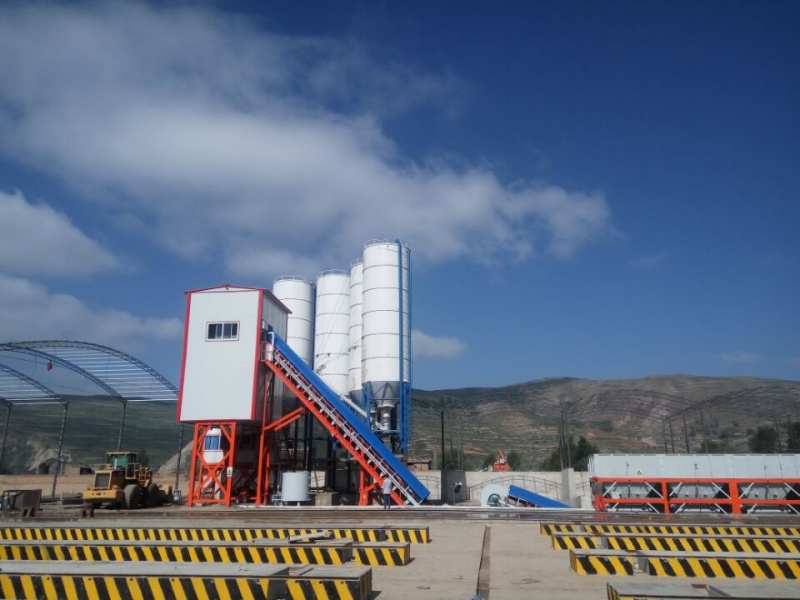
Factors to Consider When Choosing a Stationary Concrete Mixing Plant
Selecting the appropriate stationary concrete mixing plant involves careful consideration of several crucial factors:
1. Production Capacity
Determine your required concrete output per hour or day to select a plant with a matching capacity. This ensures you meet project deadlines without delays caused by insufficient production.
2. Mix Design Requirements
Consider the specific mix designs required for your project. Different plants have varying capabilities regarding aggregate size, water content, and additives. Ensure the selected plant can handle your specific mix requirements.
3. Site Conditions and Space Constraints
Assess the available space at your construction site. Stationary concrete mixing plants require sufficient space for installation, operation, and material handling. Consider accessibility for transportation and delivery of materials.
4. Budget and Return on Investment (ROI)
Compare the initial investment cost, operational expenses, and long-term maintenance requirements of different plants. Analyze the ROI to ensure the plant aligns with your budget and provides a justifiable return.
Technological Advancements in Stationary Concrete Mixing Plants
Modern stationary concrete mixing plants incorporate advanced technologies for improved efficiency, accuracy, and control. These include:
1. Automated Control Systems
Automated systems optimize mixing processes, reducing manual intervention and ensuring consistent quality. These systems offer precise control over batching, mixing, and discharge processes.
2. Remote Monitoring and Diagnostics
Remote monitoring capabilities allow real-time tracking of plant performance, facilitating proactive maintenance and minimizing downtime. This provides valuable insights into plant operations and potential issues.
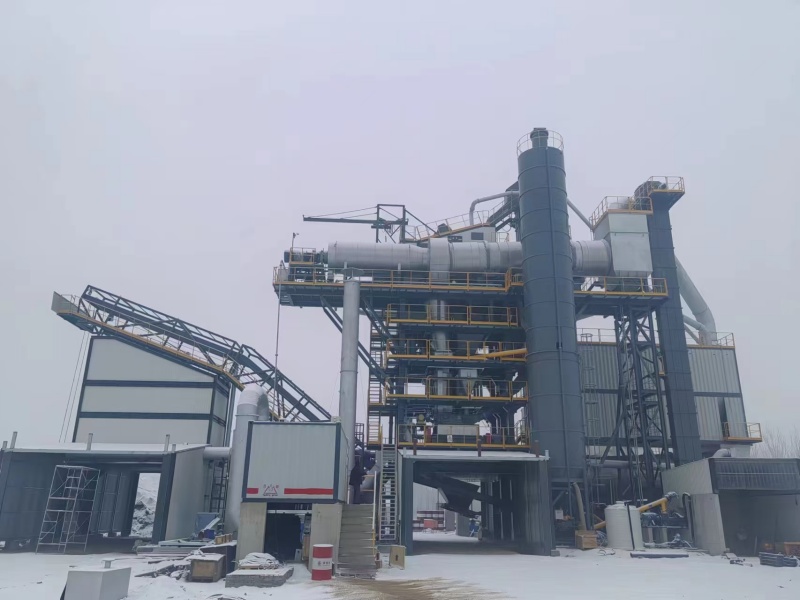
Conclusion
Choosing the right stationary concrete mixing plant is a critical decision impacting project success. By carefully evaluating factors like production capacity, mix design requirements, site conditions, and budget, along with understanding the latest technological advancements, you can make an informed decision that optimizes efficiency and ensures the delivery of high-quality concrete for your construction projects. For high-quality and reliable stationary concrete mixing plants, consider exploring options from reputable manufacturers like Taian Yueshou Mixing Equipment Co.,Ltd. Their commitment to quality and innovation ensures optimal performance and long-term value.
| Plant Type | Capacity (m3/h) | Suitable for |
|---|---|---|
| Batching Plant | 10-120 | Small to medium projects |
| Continuous Plant | 100-300+ | Large-scale projects |
Capacity ranges are approximate and can vary depending on the manufacturer and specific model.