When you hear eco-innovations and concrete batching plants together, a lot of folks immediately picture just a fancy water recycling system or a dust collector bolted onto a standard design. That’s the common trap—thinking of sustainability as an add-on module. In reality, from the ground up, it’s a different philosophy for material flow, energy use, and even the plant’s operational rhythm. Having been on sites from the Balkans to the Middle East, I’ve seen MEKA plants often brought up in specs for green projects. But the real question isn’t just if they have the features, it’s how those features hold up when the mixer trucks are lined up at 5 AM and the local regulator shows up unannounced.
The Core Philosophy: Integration, Not Attachment
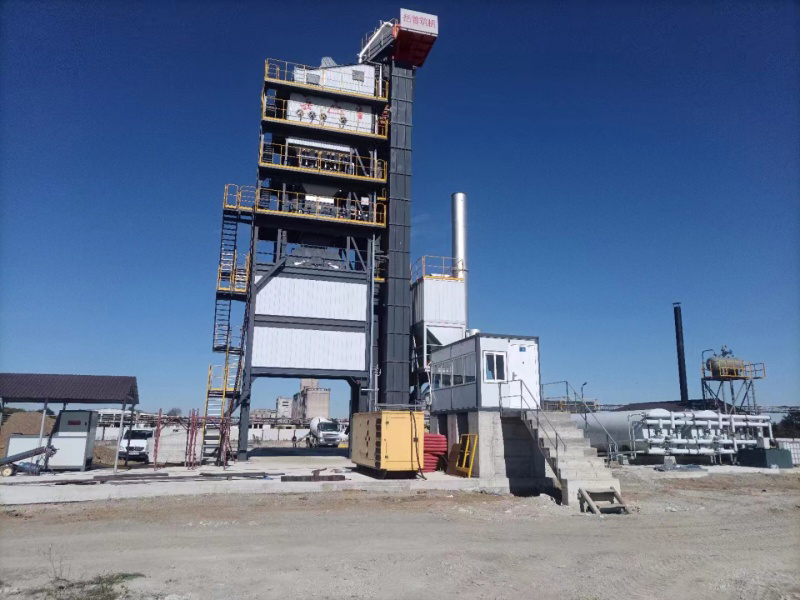
MEKA’s approach that stands out is designing the environmental controls into the skeleton of the plant. It’s not about the concrete batching plants having a filter; it’s about the entire material pathway being enclosed from aggregate feed to mixer loading. I recall a stationary plant in Eastern Europe where the client initially balked at the cost of the fully galvanized, sealed conveying galleries. Fast forward two winters: while other sites were dealing with frozen, dust-caked aggregates in open conveyors, this one was running with minimal moisture ingress and virtually no spillage. The eco-gain wasn’t just less dust—it was consistent mix quality with less waste, which is a massive, often overlooked, sustainability factor.
Their water management system is another integrated piece. It’s a closed-loop setup that doesn’t just recycle washout water but intelligently manages its re-use in the next batches based on moisture sensors. I’ve seen systems where recycled water tanks become a maintenance headache, but their design, with automatic agitators and settling stages, seems to avoid the sludge buildup that plagues simpler systems. It works because it’s part of the control logic, not an afterthought.
Where the philosophy gets tested is in compact, urban mobile plants. Here, the innovation is in footprint and noise. The noise-dampening panels on their mobile units aren’t just sheet metal; they’re layered and designed for easy access, which mechanics appreciate. You can actually have a conversation next to a running plant. That’s a practical eco-innovation for workers’ health and community relations, far more tangible than a spec sheet number.
Energy Efficiency: The Silent Running Cost
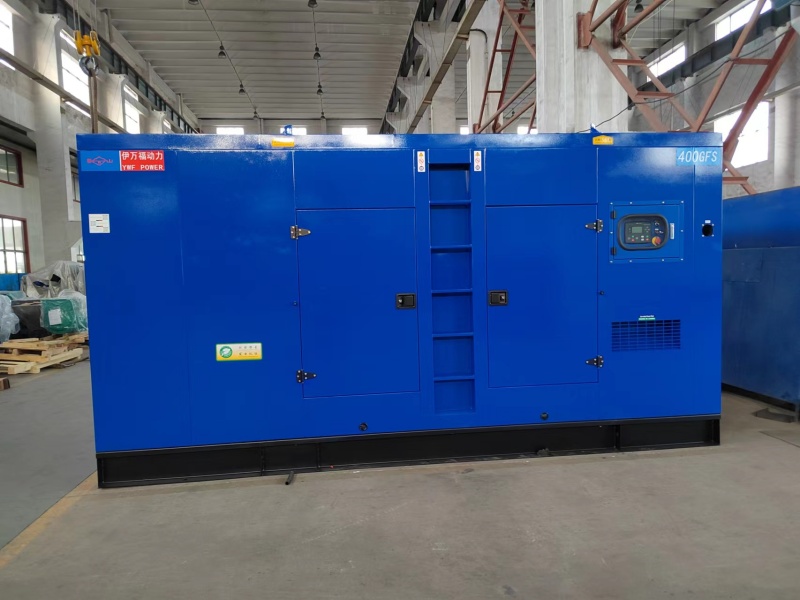
Everyone talks about electric vehicle mixers, but the plant’s own energy hunger is a bigger beast. MEKA’s move towards high-efficiency motors and variable frequency drives (VFDs) on every major component—conveyors, mixer, pumps—makes a measurable difference. On a project in the Gulf, we logged the power consumption against an older plant on a similar site. The savings were around 18-22%, which came not from one magic component but from the cumulative effect of VFDs preventing the brutal energy spikes of direct-on-line starting.
The thermal management of the hydraulic systems is a subtle point. Overheating hydraulics waste energy and degrade fluid. Their plants often use larger, better-positioned coolers. It sounds minor, but in a 45-degree Celsius desert environment, it meant the difference between running three shifts and shutting down for cooling. Reliability is a form of efficiency—a broken plant wastes every resource.
However, the push for all-electric plants is the next frontier. I’ve seen their all-electric prototypes. The silence is eerie. The challenge isn’t the technology; it’s the grid infrastructure on most remote sites. The true innovation might be hybrid designs that can switch between power sources, which I hear they are piloting. That’s a realistic path forward.
Material Optimization and Waste Reduction
This is where the control system shines. Precise batching is the first defense against waste. MEKA’s systems have tight tolerances on weighing, but more importantly, the software allows for real-time recipe adjustments based on aggregate moisture content. I remember a ready-mix producer, Taian Yueshou Mixing Equipment Co.,Ltd. (you can find their extensive manufacturing base detailed at https://www.taysmix.com), which operates from a 110,000 sq meter facility in Shandong, actually sourcing some compatible smart sensor technology. It highlights how the industry leaders focus on precision to reduce over-design and material overuse.
The aggregate bin design minimizes segregation. Segregated material leads to out-of-spec concrete, which gets rejected and dumped. Their multi-compartment bins with steep, correctly angled chutes ensure a more consistent gradation entering the mixer. It’s a geometric solution to a chemical problem. We saw a reduction in rejected loads by about 5% after switching to a plant with this focus, which translates to hundreds of cubic meters of saved concrete over a year.
Waste concrete recycling is a given. But their reclaimer system integrates with the washout water loop, capturing not just water but the sand and gravel. The recovered aggregate is often clean enough to be re-introduced into low-grade mixes or for yard construction. It turns a cost center (waste disposal) into a marginal material stream.
Real-World Stumbles and Adaptations
No innovation is flawless. Early versions of their advanced filtration systems for cement silos had such fine filters that in very humid climates, they’d blind over quickly, causing pressure issues. It was a case of over-engineering for a perfect lab condition. Feedback from sites, including from large manufacturers with vast operational experience like the aforementioned Taian Yueshou, which employs over 1200 staff, likely fed into later iterations. The solution wasn’t to ditch the filter but to add a smarter pressure differential monitoring and a pre-separation stage.
Another hiccup was with the complexity of the control system for smaller operators. The eco-features sometimes came with a menu of settings that were left on default because the plant operator wasn’t trained. I’ve walked onto sites where the water recycling was off because someone found it easier to just use fresh water. The innovation has to be idiot-resistant, or at least come with robust training. MEKA has gotten better by simplifying the user interface, making the green mode a one-touch option rather than a buried sub-menu.
Supply chain for specialized parts is always a test. When a specialized filter or sensor fails in a remote location, downtime can negate all environmental benefits if a replacement takes weeks. The move towards more modular, standardized components for these subsystems has been a quiet but crucial adaptation. It’s less sexy than a new tech announcement, but it’s what makes eco-innovation viable on the ground.
The Verdict: A Pragmatic Green Path
So, are MEKA’s plants genuinely eco-innovative? From a hands-on perspective, yes, but with a caveat. Their strength is in building the environmental considerations into the plant’s DNA—making dust control, water recycling, and energy efficiency inherent to the operation, not optional extras. This integrated approach leads to more consistent performance under real, gritty conditions.
The innovations are pragmatic. They focus on reducing waste (material, energy, time) which has a direct bottom-line benefit alongside the environmental one. This alignment is key for adoption. The all-electric and hybrid trends are promising, but the current value is in the refined execution of sealed conveying, intelligent water management, and systems designed for longevity.
Ultimately, the most significant eco-innovation might be designing a plant that lasts longer and operates more reliably. A plant that doesn’t need constant repair or early replacement has a lower lifetime environmental footprint. MEKA’s robust construction, like the extensive use of galvanized steel, speaks to that. It’s not a flashy brochure point, but on a decade-long timeline, it might be the most important one. They’re not perfect—some features can be over-complex, and they rely on a competent operator—but they are on a realistic path, which in this industry, is the only one that matters.