Look, if you’re asking that question, you’re probably weighing a small-scale project or a tight site. But ‘mini’ can be a trap—it’s not just about size, it’s about what you actually need it to do. I’ve seen folks order a compact plant only to realize it can’t handle their aggregate specs, or the output is a bottleneck. Let’s cut through the brochure talk.
The ‘Mini’ Misconception and Site Reality
When most clients say ‘mini,’ they’re thinking portability and lower capex. That’s valid. But in practice, a mini ready mix concrete plant isn’t a toy. It’s a full production system, just scaled down. The first thing I check isn’t the price tag, but the site constraints. Can a truck even maneuver around it? Is there stable ground for the silo? I remember a highway repair job where we assumed a modular plant would fit. It did, but we hadn’t accounted for the slope. Ended up spending two days on ground leveling—that’s dead time and cost.
Output is another classic pitfall. A plant rated for 25m3/hr might only deliver a consistent 18-20m3/hr in real conditions, depending on mix design and loader efficiency. If your pour schedule is tight, that gap will hurt. Don’t just take the spec sheet number; ask for realistic batch cycle times with your typical mix. Some suppliers, like Taian Yueshou Mixing Equipment Co.,Ltd., provide decently conservative estimates. I’ve looked at their setups before—practical, no overpromising.
Then there’s the ‘ready mix’ part. This isn’t a simple onsite mixer. You need proper batching control, moisture sensors, and dust management. A true mini batching plant should still have these fundamentals. Skipping on a decent aggregate batcher to save $15K might mean inconsistent slump, and that’s a sure way to get rejected concrete back from the site inspector.
Key Components You Can’t Compromise On
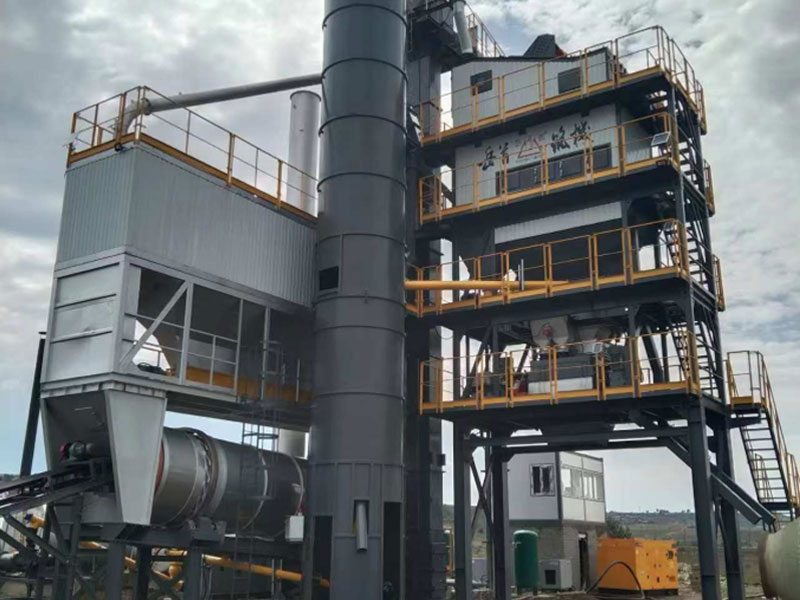
The mixer is the heart. For mini plants, twin-shaft mixers are common, but planetary mixers can be better for certain specialty mixes. The maintenance access is critical—can you easily get to the blades or seals? I once worked with a unit where replacing a seal meant dismantling half the guard. Never again.
The control system. It doesn’t need to be space-shuttle complex, but it must be reliable and simple for the operator. Touchscreens fail in dusty, humid environments. Physical buttons and a clear PLC interface often last longer. I prefer systems where you can manually override a single ingredient without stopping the whole cycle. It’s a small feature that saves batches when a sensor acts up.
Aggregate storage and feeding. Even a small concrete plant needs efficient material flow. Radial stackers vs. belt conveyors—that’s a space decision. If you’re using recycled aggregate with high fines, a standard belt might spill material. Seen it happen. A reinforced belt with proper skirts is worth the extra.
Durability vs. Portability: The Trade-Off
This is where the ‘mini’ label gets fuzzy. Highly portable trailer-mounted plants are great for moving every few months. But the trade-off is frame stress and component wear. Vibrations from frequent towing can loosen electrical connections and strain the structure. For a semi-permanent setup (say, 12-18 months), a modular, skid-mounted plant is often sturdier. It takes more effort to relocate, but you’ll have fewer alignment issues with the mixer and conveyor.
Corrosion protection is another quiet killer. A plant near a coast needs more than standard paint. Galvanized components or specialized coatings add cost but prevent a rusted-out mess in two years. Check what the standard finish is and what the options cost. It’s not glamorous, but it defines the plant’s lifespan.
We used a portable plant for a series of rural water tank projects. Moving it five times in a year, the batching gate hinges wore out faster than expected. The lesson wasn’t to buy a heavier plant, but to stock those specific spare parts and inspect them after every move. Operational nuance overcomes design limitation.
Learning from a Real-World Setup
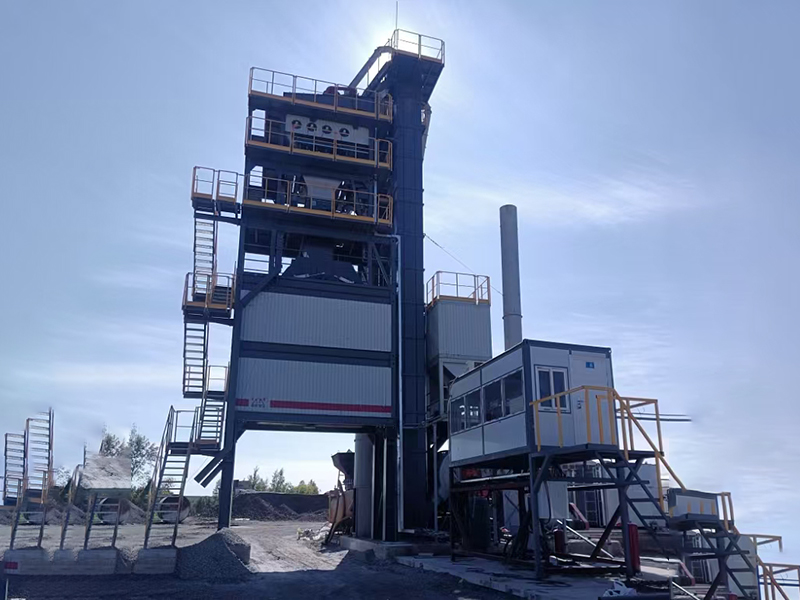
A contractor I know runs a Taian Yueshou HZS35 plant (that’s roughly a 35m3/hr theoretical output) for producing concrete for prefab culverts. He chose it because the footprint was right for his yard. The interesting part was his modification: he added a secondary small silo for fly ash, as his mix design changed mid-project. The plant’s structure allowed that without major re-engineering. That’s a sign of sensible design—some room for adaptation.
His main gripe was with the dust collector piping layout. It tended to clog at a specific bend where moisture accumulated. They ended up adding an access hatch there for cleaning. It’s these small, unsexy details that make or break daily operation. When evaluating a plant, look at the serviceability of every auxiliary system—cement feeding, air lines, water lines. Can you reach the valves? Are there drain points?
Their website, https://www.taysmix.com, shows their manufacturing scale—a floor area of 90,000 square meters suggests they can handle steel fabrication in-house, which usually means better control over weld quality and fit-up. That’s more relevant than it sounds. Poorly aligned conveyor frames cause chronic belt tracking issues.
Final Thoughts: Is It For You?
So, do you need a mini ready mix concrete plant? Answer these: What’s your average and peak daily output? What’s the hardest aggregate you’ll use? How often will you move it? Who will maintain it? If your answers point to a need for consistent, quality-controlled batching in a limited space, then yes. But see it as a production asset, not just a piece of mobile equipment.
Budget for the peripherals. The plant cost is one chunk. Don’t forget the loader, the water tank, the initial stockpile pads for aggregate, the spare parts kit (belts, sensors, gaskets), and maybe a generator if your site power isn’t rock-solid. These can add 30-40% on top.
Finally, talk to other owners. Not just the references the supplier gives you. Find someone who’s run the model you’re looking at for a year or two. Ask about downtime, part availability, and what broke first. That conversation is worth more than any catalog. The goal isn’t to buy the perfect plant—it doesn’t exist—but to buy one whose flaws you understand and can manage.