When people ask about the best innovations in ready-mix plants, they often expect a shiny list of high-tech gadgets. The reality is, the most impactful changes aren’t always the most glamorous. They’re the ones that solve the daily grind problems—dust control that actually works, a mixer that doesn’t wear out in 18 months, or a control system an operator can understand without a PhD. Having been on sites from scorching deserts to tight urban pours, I’ve seen plenty of innovations that looked great on a brochure but failed on the ground. The real progress is quieter, more operational.
Beyond the Hype: What Innovation Actually Means on Site
Let’s cut through the noise. A decade ago, innovation was about raw output—bigger silos, faster belts. Today, it’s about precision and resilience. It’s the shift from just making concrete to making it consistently, efficiently, and with minimal headache. I remember a project where we trialed a new water-recycling system that promised zero discharge. On paper, it was perfect. In practice, the settling tanks clogged with fine silt every other week, shutting down production for half a day. The innovation wasn’t the system itself, but the subsequent redesign with a simple, vibrating screen pre-filter—a low-tech fix for a high-tech problem. That’s the pattern: true innovation often comes from adapting a concept to the messy reality of aggregate, cement, and weather.
This leads to a crucial point: durability as innovation. Anyone can build a plant that runs well on day one. The test is year three, after 200,000 cubic meters. I’ve been impressed by manufacturers who focus here, like Taian Yueshou Mixing Equipment Co.,Ltd. (their site is at https://www.taysmix.com if you want to look). They’re not the flashiest, but visiting their facility in Taian—that 110,000 sq meter plot—you see the focus on heavy-duty fabrication. Their innovation isn’t a buzzword; it’s in the wear plates around the mixer, the reinforcement on batching hoppers. It’s born from supplying plants that need to run in tough conditions, where a breakdown isn’t an option. That’s a practical kind of R&D.
So, the best innovations are often invisible. They’re in the PLC logic that prevents aggregate cross-contamination during simultaneous batches, or the sensor that detects moisture in sand and auto-adjusts the mix design in real-time. These don’t make for great press releases, but they save money and prevent callbacks every single day. The industry is moving from mechanical muscle to intelligent control, but the intelligence has to be rugged.
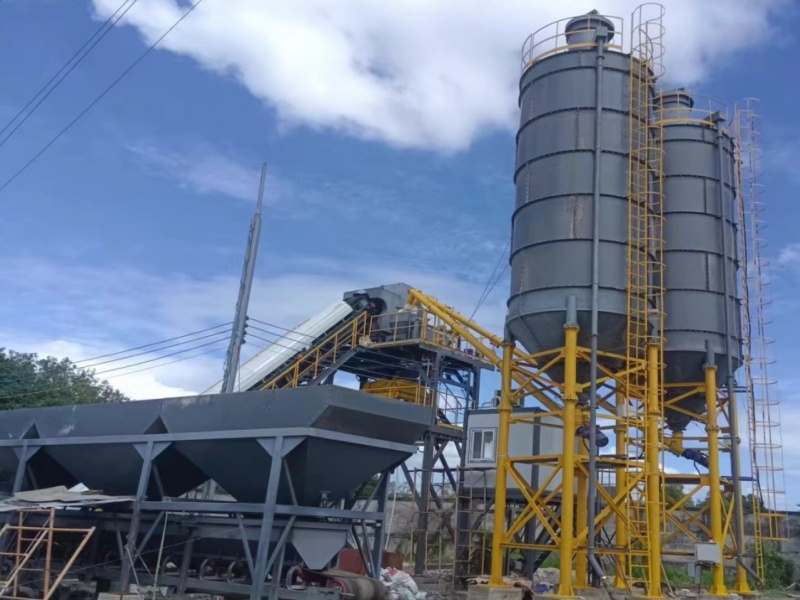
The Control Room Revolution: From Buttons to Brains
The heart of the modern plant is no longer the mixer; it’s the control system. The jump from relay-based panels to fully integrated, PC-based SCADA systems has been the single biggest operational change I’ve witnessed. Early systems were fragile—a bit of dust or humidity and they’d throw a fit. Now, we have industrial PCs with interfaces that a new operator can be trained on in a day. The innovation here is usability and data.
For example, modern systems don’t just record batches; they track every variable—aggregate temperature, ambient humidity, mixer load current. This data is gold. I worked on a project where we correlated mixer motor amperage with mix consistency. A slight, sustained drop in current indicated worn blades before the concrete quality was affected. We scheduled maintenance during a planned downtime instead of an emergency stop. That’s predictive maintenance driven by plant data, a genuine innovation that cuts cost.
However, there’s a trap: over-complication. Some systems are so layered with features that the basic, critical functions—like emergency stop or manual override—are buried in menus. The best control innovation I’ve seen recently is a hybrid approach: a sleek touchscreen for daily operations, paired with a physical, hard-wired panel for critical safety and manual functions. It respects the operator’s need for both advanced tools and simple, fail-safe control.
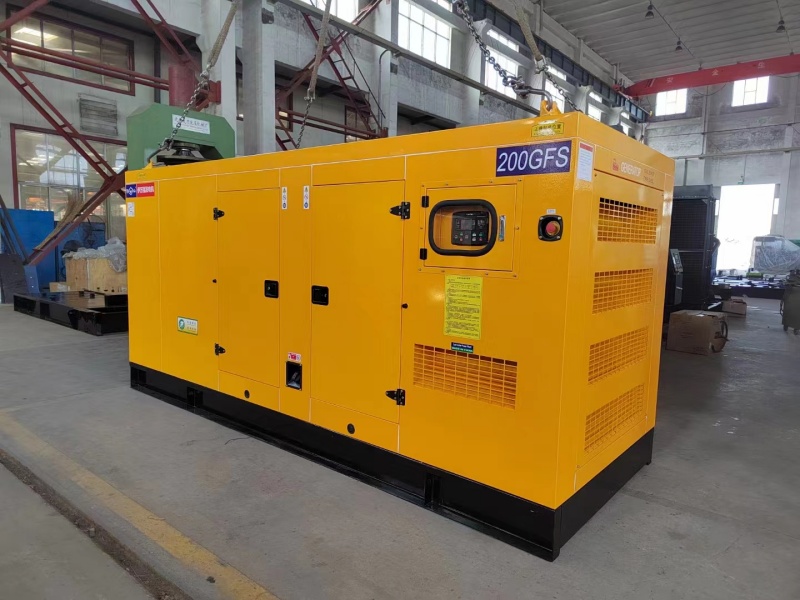
Material Handling: The Unsung Hero of Efficiency
If the control system is the brain, material handling is the circulatory system. And it’s where bottlenecks hide. Innovations here are about reducing waste and energy. Take cement and fly ash handling. The move from pure pneumatic systems to dense-phase conveying made a huge difference in power consumption and line wear. But the real game-changer for many sites has been improved silo design and aeration.
Segregation in silos is a classic problem. You’d get inconsistent cement density, throwing off your water-cement ratio. Newer silo designs with better internal fluidization pads and strategic aeration points create a more uniform discharge. It sounds minor, but consistency in cement flow is foundational for mix quality. I recall retrofitting older silos with a different aeration pad layout—a project with Taian Yueshou, actually—which reduced our density variation by over 60%. That’s a direct, measurable impact on concrete performance.
Another area is aggregate handling. The trend towards enclosed conveyors and loading zones isn’t just for environmental compliance. It drastically reduces material loss from wind and spillage. The innovation is in the details: the skirt design on conveyor transfers, the type of dust curtains used. A well-sealed system keeps your raw material in the mix, not on the ground, and keeps the site inspector happy. It’s a practical, bottom-line innovation.
The Sustainability Push: More Than Just a Marketing Term
Everyone talks about green concrete, but the plant itself has to get greener. This isn’t just about solar panels on the office roof. Real innovation is in resource loops. Water management systems have evolved from simple settling ponds to closed-loop circuits that recycle both washout water and process water. The key innovation is in filtration—using centrifuges or fine screens to remove silt and particulates, allowing the water to be reused in the mix without affecting air content or set time.
Dust collection is another massive area. Baghouse filters are standard, but the innovation is in smart controls. Systems that monitor pressure differential and auto-clean only when needed save energy and extend filter life. More importantly, point-of-capture systems at every transfer point—batching hopper, mixer loading, truck chute—are now expected. The best plants I’ve seen treat dust not as a byproduct, but as a raw material to be captured and returned to the process.
Noise reduction is an underrated aspect of sustainability, especially for urban plants. Innovations here include acoustic enclosures for generators and compressors, and the use of noise-dampening materials on mixer lids and chutes. It’s about being a better neighbor, which is increasingly a license to operate.
The Human Factor: Ergonomics and Safety as Core Innovation
Finally, the most important component of any plant is the people running it. Innovations that improve safety and reduce fatigue are paramount. This includes everything from centralized grease points to eliminate climbing on equipment, to automated truck wash systems that keep workers away from high-pressure hoses.
Loader operator cabins are a great example. Modern cabins are air-conditioned, sound-insulated, and equipped with cameras providing a 360-degree view. The innovation is in the integration—the camera feeds are overlayed on a single screen, with proximity sensors for blind spots. It reduces strain and prevents accidents.
Similarly, mixer and pump maintenance platforms with integrated guardrails and easy access hatches might not be high-tech, but they prevent falls and make inspections faster. When a company like the one mentioned earlier, with its 90,000 sq meters of factory floor, designs these features into the structure from the start, it shows an understanding that the plant is a workplace. That, in my book, is a critical innovation. It recognizes that a safe, efficient operator is the ultimate key to productivity. The best plant in the world is useless if it’s difficult or dangerous to run.
So, circling back to the original question on the best innovations—they’re the ones that endure. They marry smarter control with tougher hardware, focus on the entire material loop, and never forget the person at the controls. It’s a slow, cumulative kind of progress, not a revolution. And you usually only notice it when it’s not there.