- Chinese
- French
- German
- Portuguese
- Spanish
- Russian
- Japanese
- Korean
- Arabic
- Irish
- Greek
- Turkish
- Italian
- Danish
- Romanian
- Indonesian
- Czech
- Afrikaans
- Swedish
- Polish
- Basque
- Catalan
- Esperanto
- Hindi
- Lao
- Albanian
- Amharic
- Armenian
- Azerbaijani
- Belarusian
- Bengali
- Bosnian
- Bulgarian
- Cebuano
- Chichewa
- Corsican
- Croatian
- Dutch
- Estonian
- Filipino
- Finnish
- Frisian
- Galician
- Georgian
- Gujarati
- Haitian
- Hausa
- Hawaiian
- Hebrew
- Hmong
- Hungarian
- Icelandic
- Igbo
- Javanese
- Kannada
- Kazakh
- Khmer
- Kurdish
- Kyrgyz
- Latin
- Latvian
- Lithuanian
- Luxembou..
- Macedonian
- Malagasy
- Malay
- Malayalam
- Maltese
- Maori
- Marathi
- Mongolian
- Burmese
- Nepali
- Norwegian
- Pashto
- Persian
- Punjabi
- Serbian
- Sesotho
- Sinhala
- Slovak
- Slovenian
- Somali
- Samoan
- Scots Gaelic
- Shona
- Sindhi
- Sundanese
- Swahili
- Tajik
- Tamil
- Telugu
- Thai
- Ukrainian
- Urdu
- Uzbek
- Vietnamese
- Welsh
- Xhosa
- Yiddish
- Yoruba
- Zulu
- Kinyarwanda
- Tatar
- Oriya
- Turkmen
- Uyghur
Best asphalt concrete plant
Best Asphalt Concrete Plant: A Comprehensive Guide
Choosing the right asphalt concrete plant is crucial for efficient and profitable paving operations. This guide provides a detailed overview of factors to consider when selecting the best plant for your needs, including capacity, type, features, and maintenance.
Understanding Your Needs: Capacity and Type
Capacity Considerations
The first step in selecting a best asphalt concrete plant is determining your required production capacity. This depends on the scale of your projects, the frequency of your operations, and the type of asphalt you'll be producing. Consider your average daily or yearly production needs. Overestimating your capacity leads to unnecessary investment, while underestimating can cause significant bottlenecks.
Plant Types: Batch vs. Continuous
Asphalt concrete plants are primarily categorized as batch plants or continuous plants. Batch plants produce asphalt in discrete batches, offering greater flexibility for varied mixes but generally having lower production rates. Continuous plants, on the other hand, offer higher production rates and consistent mix quality but are less adaptable to rapid mix changes. The choice depends heavily on your project requirements and budget.
Key Features to Look For in a Top-Performing Asphalt Concrete Plant
Technological Advancements
Modern asphalt concrete plants often incorporate advanced technologies like automated controls, real-time monitoring systems, and sophisticated dust collection systems. These features enhance efficiency, improve mix quality, and minimize environmental impact. Look for plants with features designed for ease of use and maintenance.
Material Handling and Storage
Efficient material handling and storage are critical for smooth operations. Consider the plant's design for aggregate storage, feeding systems, and the overall flow of materials. A well-designed system minimizes downtime and improves overall productivity.
Environmental Considerations
Environmental regulations are increasingly stringent. Choose a plant equipped with emission control systems and designed to minimize waste and reduce its environmental footprint. Features like dust suppression systems and efficient fuel consumption are essential.
Choosing the Right Supplier: Reputation and Support
The reputation and support offered by the supplier are just as important as the plant itself. Research potential suppliers thoroughly, checking for customer reviews, testimonials, and their history of providing reliable service and parts. A strong after-sales service network is crucial for minimizing downtime and maximizing the lifespan of your investment. Taian Yueshou Mixing Equipment Co.,Ltd. is a reputable manufacturer of high-quality mixing equipment, offering a range of solutions for various needs. They are known for their commitment to quality and customer support.
Cost Analysis: Initial Investment vs. Long-Term Value
While the initial investment cost is a key factor, it's crucial to consider the long-term value. This includes operational costs, maintenance expenses, and the plant's overall lifespan. A slightly more expensive plant with superior efficiency and longevity can ultimately be more cost-effective in the long run.
Maintenance and Upkeep: Maximizing Plant Lifespan
Regular maintenance is vital for extending the life of your asphalt concrete plant and ensuring consistent performance. Develop a comprehensive maintenance schedule and consider the availability of spare parts and service support from the supplier. Proactive maintenance will prevent costly breakdowns and downtime.
Comparison Table: Batch vs. Continuous Asphalt Concrete Plants
| Feature | Batch Plant | Continuous Plant |
|---|---|---|
| Production Rate | Lower | Higher |
| Mix Flexibility | Higher | Lower |
| Initial Cost | Generally Lower | Generally Higher |
| Maintenance | Potentially Less Complex | Potentially More Complex |
Selecting the best asphalt concrete plant requires careful consideration of several factors. By thoroughly assessing your needs, researching available options, and understanding the long-term implications, you can make an informed decision that optimizes efficiency, productivity, and profitability.
Related products
Related products
Best selling products
Best selling products-
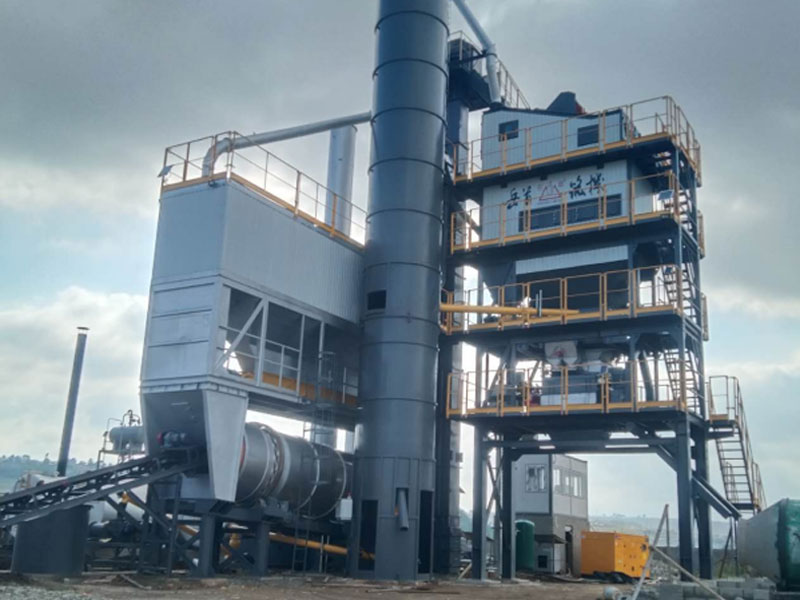 Asphalt Mixing Plant
 -
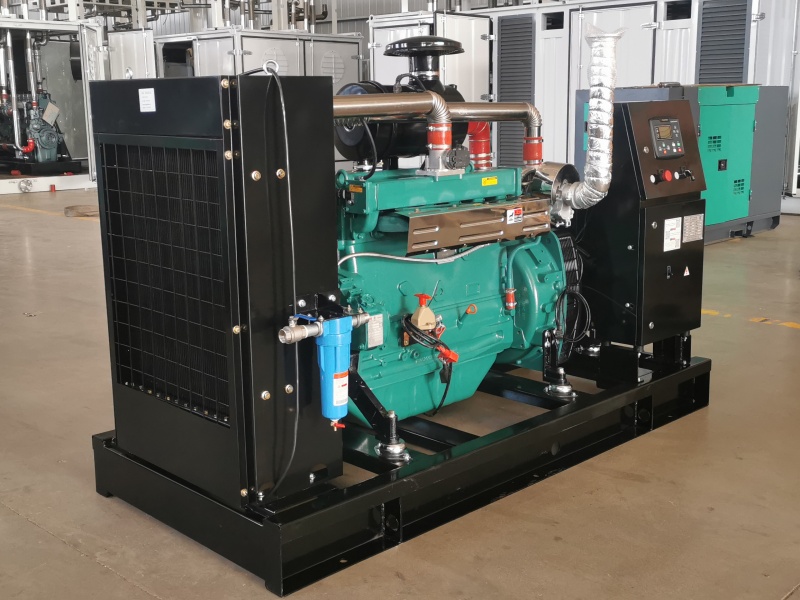 GAS TURBINE AND WATER PUMP SERIES
 -
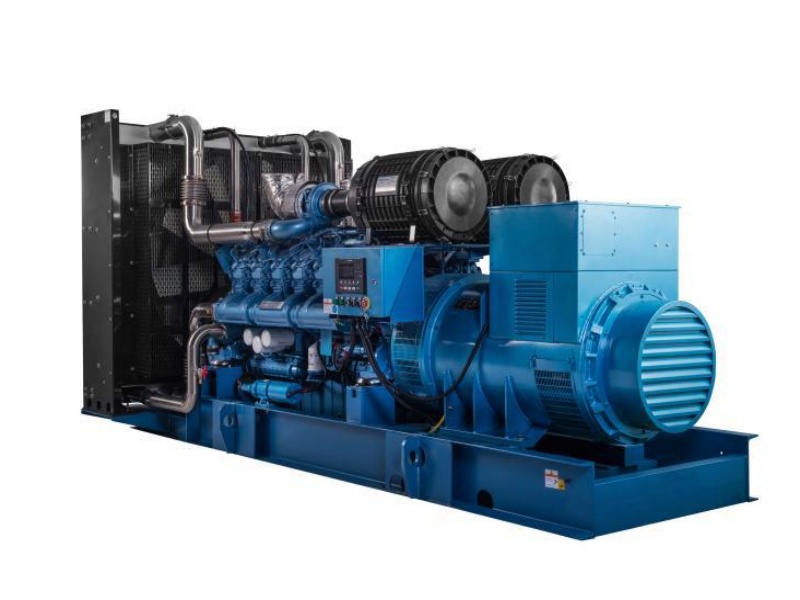 WEICHAI SERIES DIESEL GENERATOR SET
 -
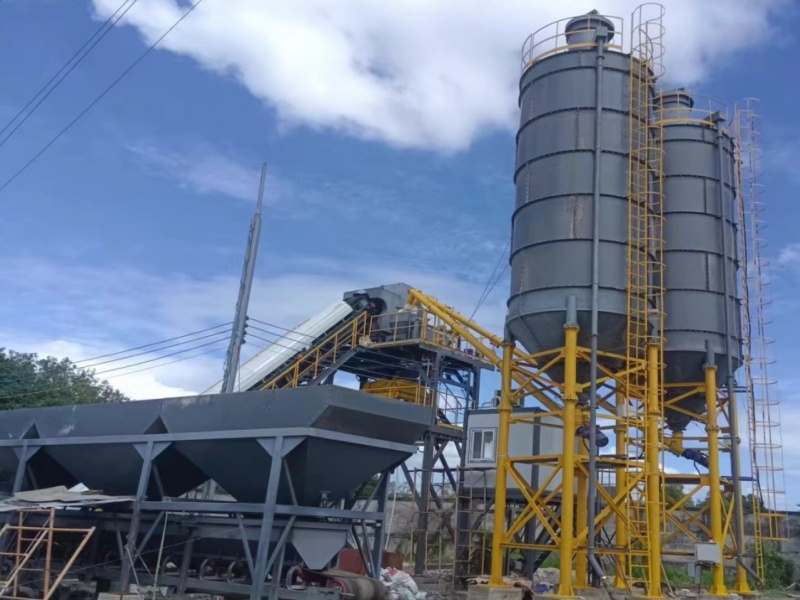 HZS50 Concrete Batching Plant
 -
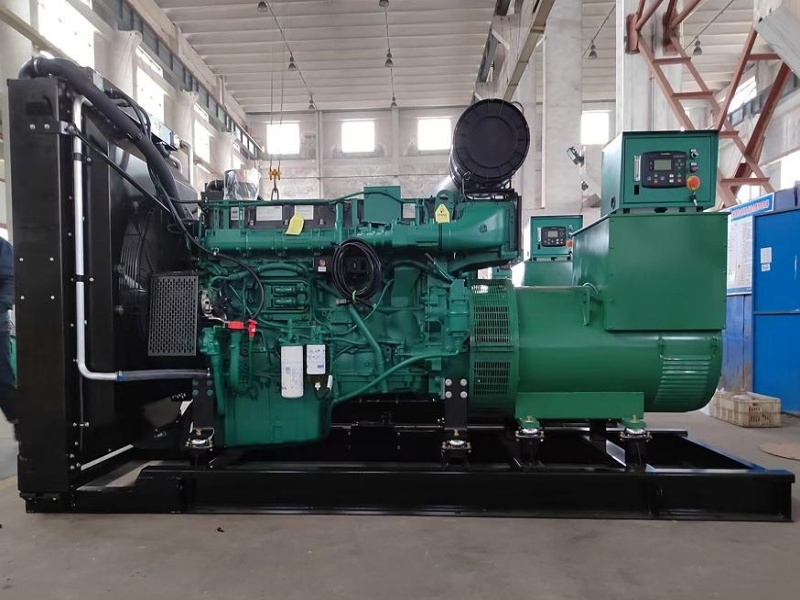 VOLVO SERIES DIESEL GENERATOR SET
 -
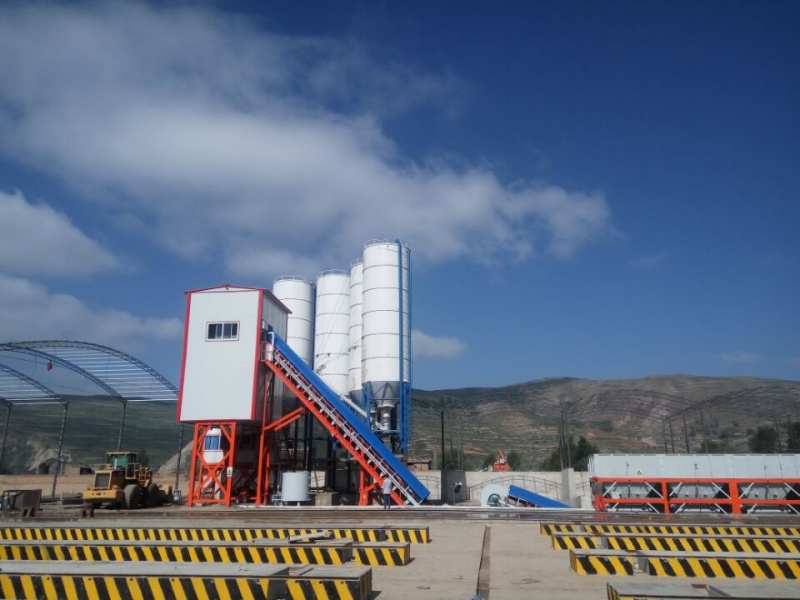 HZS90 Concrete Batching Plant
 -
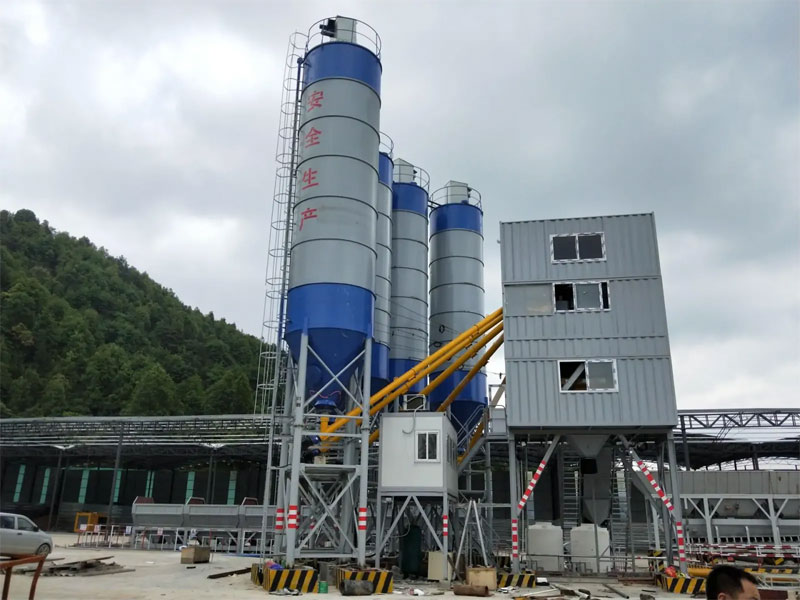 Concrete Batching Plant
 -
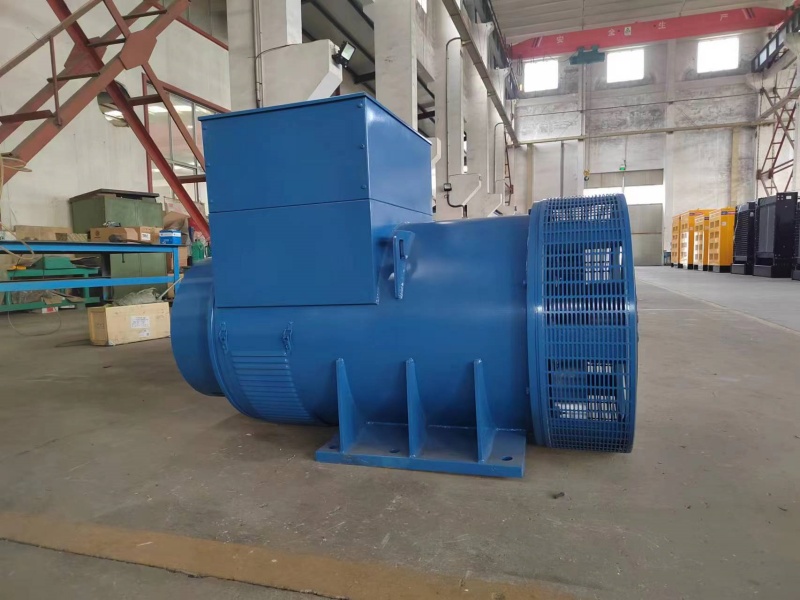 YIWANFU – Alternator
 -
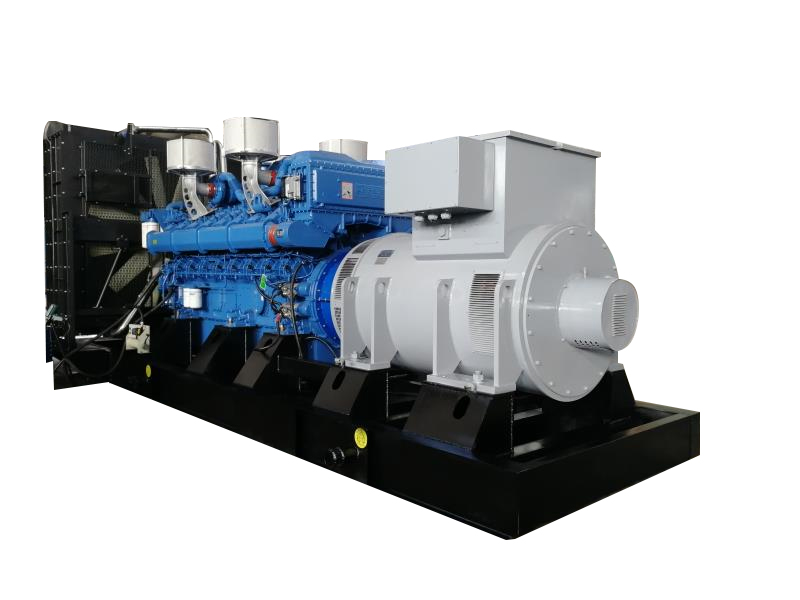 HIGH-VOLTAGE GENERATOR SETS
 -
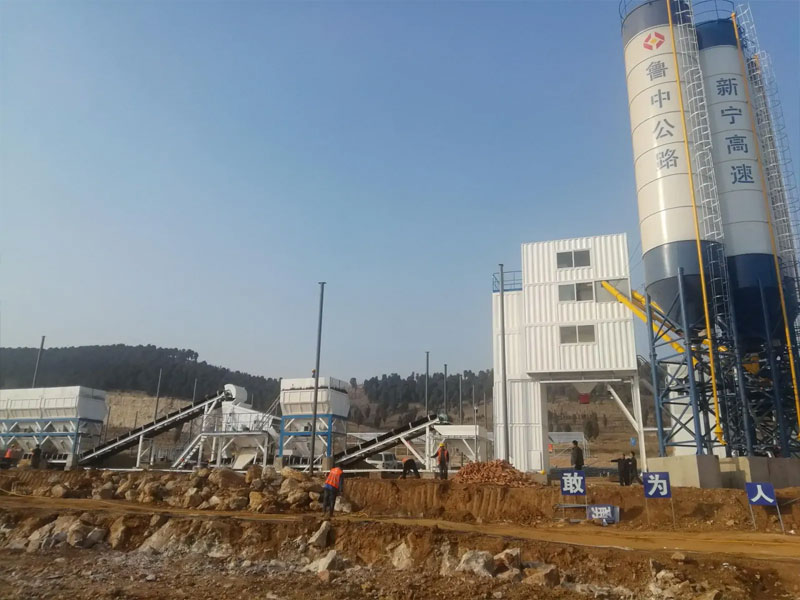 Container Type
 -
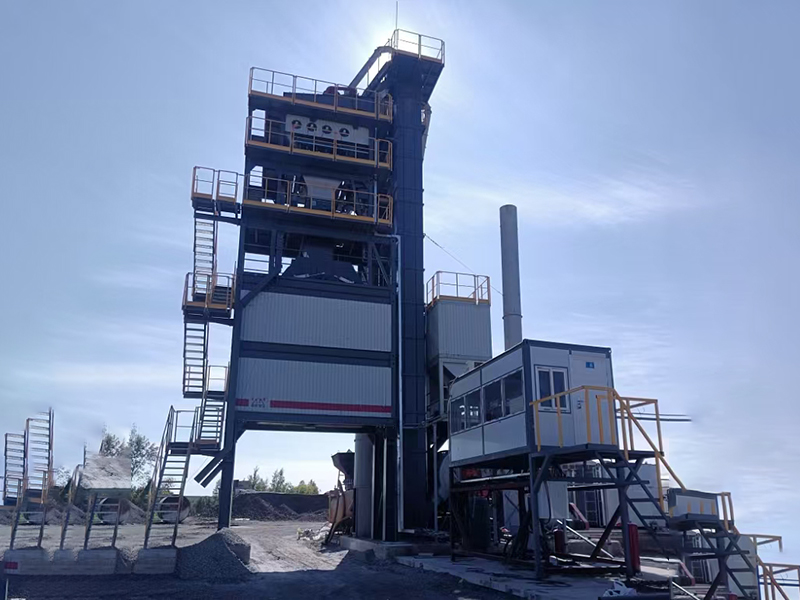 LB800 asphalt mixing plant
 -
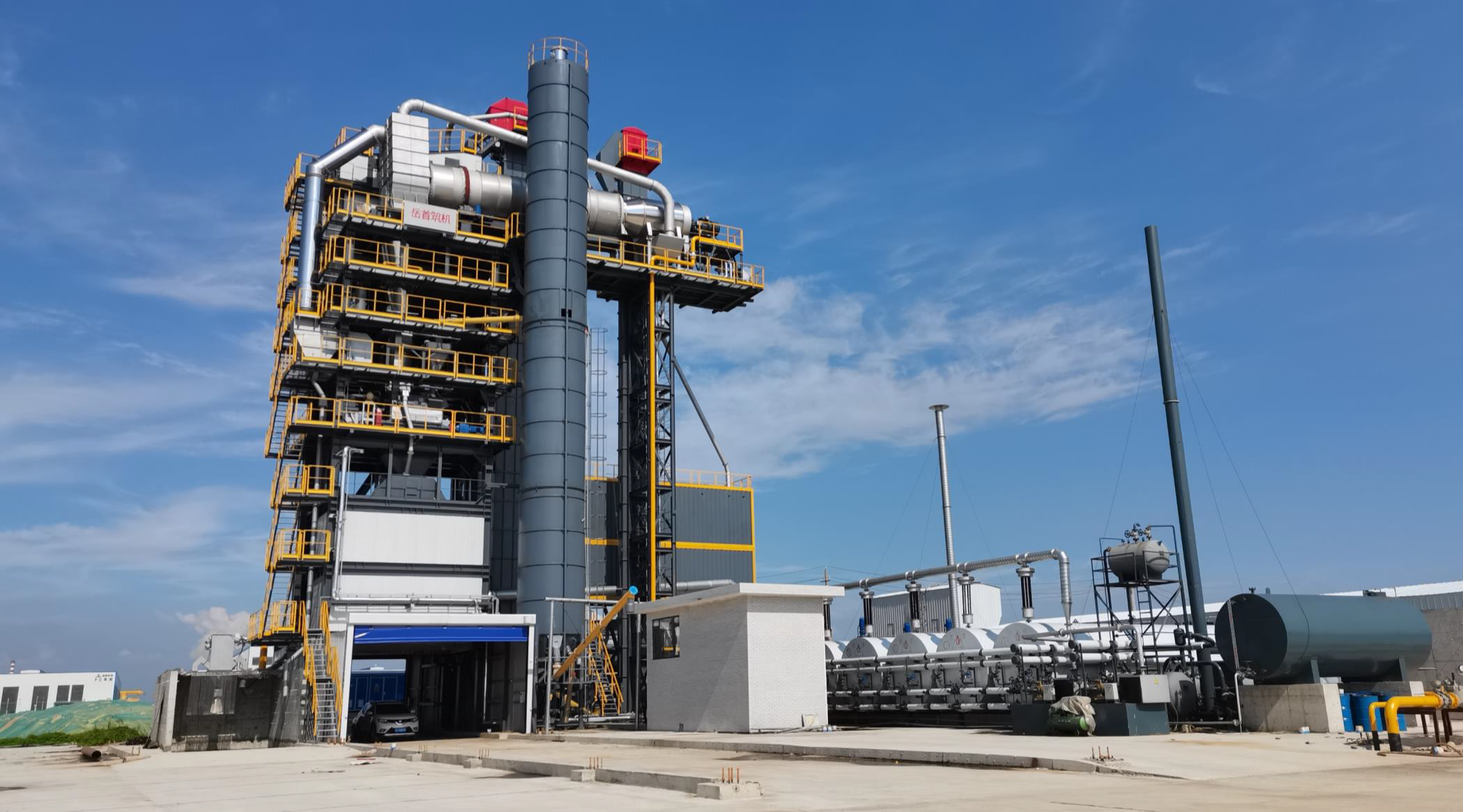 Asphalt hot recycling plant
Related search
Related search- High-Quality intrame asphalt plant Manufacturers
- High-Quality blythe asphalt plant near me Exporter
- High-Quality national asphalt plant Products
- High-Quality concrete batching plant suppliers Exporter
- Best stationary concrete plant
- Discount ready mix concrete plant machinery
- High-Quality rmc concrete plant near me Exporter
- High-Quality cemco concrete plants Suppliers
- High-Quality concrete plant near Product
- High-Quality granite asphalt plant Suppliers