- Chinese
- French
- German
- Portuguese
- Spanish
- Russian
- Japanese
- Korean
- Arabic
- Irish
- Greek
- Turkish
- Italian
- Danish
- Romanian
- Indonesian
- Czech
- Afrikaans
- Swedish
- Polish
- Basque
- Catalan
- Esperanto
- Hindi
- Lao
- Albanian
- Amharic
- Armenian
- Azerbaijani
- Belarusian
- Bengali
- Bosnian
- Bulgarian
- Cebuano
- Chichewa
- Corsican
- Croatian
- Dutch
- Estonian
- Filipino
- Finnish
- Frisian
- Galician
- Georgian
- Gujarati
- Haitian
- Hausa
- Hawaiian
- Hebrew
- Hmong
- Hungarian
- Icelandic
- Igbo
- Javanese
- Kannada
- Kazakh
- Khmer
- Kurdish
- Kyrgyz
- Latin
- Latvian
- Lithuanian
- Luxembou..
- Macedonian
- Malagasy
- Malay
- Malayalam
- Maltese
- Maori
- Marathi
- Mongolian
- Burmese
- Nepali
- Norwegian
- Pashto
- Persian
- Punjabi
- Serbian
- Sesotho
- Sinhala
- Slovak
- Slovenian
- Somali
- Samoan
- Scots Gaelic
- Shona
- Sindhi
- Sundanese
- Swahili
- Tajik
- Tamil
- Telugu
- Thai
- Ukrainian
- Urdu
- Uzbek
- Vietnamese
- Welsh
- Xhosa
- Yiddish
- Yoruba
- Zulu
- Kinyarwanda
- Tatar
- Oriya
- Turkmen
- Uyghur
China mini asphalt plant
China Mini Asphalt Plant: A Comprehensive Guide
This guide provides a comprehensive overview of China mini asphalt plants, covering their types, applications, advantages, disadvantages, and key considerations for purchase and operation. We'll explore the different models available, crucial factors to consider when selecting a plant, and offer insights into maximizing efficiency and minimizing environmental impact. Learn how to choose the right China mini asphalt plant for your specific needs.
Types of Mini Asphalt Plants in China
Mobile Asphalt Plants
Mobile China mini asphalt plants are highly versatile, offering easy transportation and setup at various locations. Their compact design makes them ideal for small-scale projects and road maintenance. These plants are typically characterized by their self-contained nature, incorporating all necessary components within a single unit. However, their capacity is usually lower compared to stationary plants.
Stationary Asphalt Plants
Stationary China mini asphalt plants are fixed installations offering greater production capacity compared to their mobile counterparts. They are a more suitable option for large-scale projects where continuous operation is needed. While less flexible in terms of location, their robust design and higher output make them a cost-effective choice for consistent high-volume production. Consider factors such as land availability and potential infrastructural requirements when choosing this type.
Factors to Consider When Choosing a China Mini Asphalt Plant
Production Capacity
The required asphalt production capacity is a crucial determinant. Assess your project's needs carefully. A smaller plant may suffice for small projects, while larger ones are necessary for significant construction or road maintenance endeavors. Consider future scaling needs as well.
Fuel Type
China mini asphalt plants utilize various fuel types, including diesel, natural gas, or liquefied petroleum gas (LPG). Choosing the appropriate fuel source is critical, considering factors such as availability, cost, and environmental regulations. Some plants offer multiple fuel options for enhanced flexibility.
Automation Level
The level of automation varies significantly across different models. Highly automated plants offer improved efficiency and reduced labor costs, but they come with a higher initial investment. Evaluate your operational needs and budget carefully to determine the optimal level of automation.
Key Considerations for Operation and Maintenance
Environmental Compliance
Adherence to environmental regulations is crucial. Ensure that the chosen China mini asphalt plant complies with all local and national environmental standards regarding emissions and waste disposal. Invest in emission control systems if necessary.
Safety Regulations
Prioritize workplace safety. Invest in training for operators and implement comprehensive safety protocols to mitigate risks associated with high temperatures, moving parts, and hazardous materials.
Regular Maintenance
Regular maintenance is critical for the longevity and efficiency of your China mini asphalt plant. Establish a preventative maintenance schedule to minimize downtime and extend the lifespan of your equipment. Consider consulting with experienced technicians for guidance on routine checks and maintenance procedures. Regular inspection of components such as the burner, dryer, and mixing drum is essential.
Finding Reliable Suppliers of China Mini Asphalt Plants
Thorough research is essential when selecting a supplier. Look for reputable manufacturers with a proven track record of providing high-quality equipment and reliable after-sales service. Check reviews and testimonials from previous clients. Taian Yueshou Mixing Equipment Co.,Ltd. is one such supplier you may want to consider, offering a range of mixing equipment solutions. Their expertise in the field could be a valuable asset for your project.
Comparison of Different Mini Asphalt Plant Models (Example - Fictional Data for Illustration Only)
| Model | Capacity (ton/hour) | Fuel Type | Automation Level | Price (USD) |
|---|---|---|---|---|
| Model A | 10-20 | Diesel | Semi-Automatic | 50,000 - 70,000 |
| Model B | 20-30 | Diesel/LPG | Automatic | 80,,000 |
| Model C | 30-50 | Diesel | Fully Automatic | 150,,000 |
Note: The data in this table is for illustrative purposes only and does not reflect actual market pricing or specifications. Always consult with suppliers for accurate and up-to-date information.
Related products
Related products
Best selling products
Best selling products-
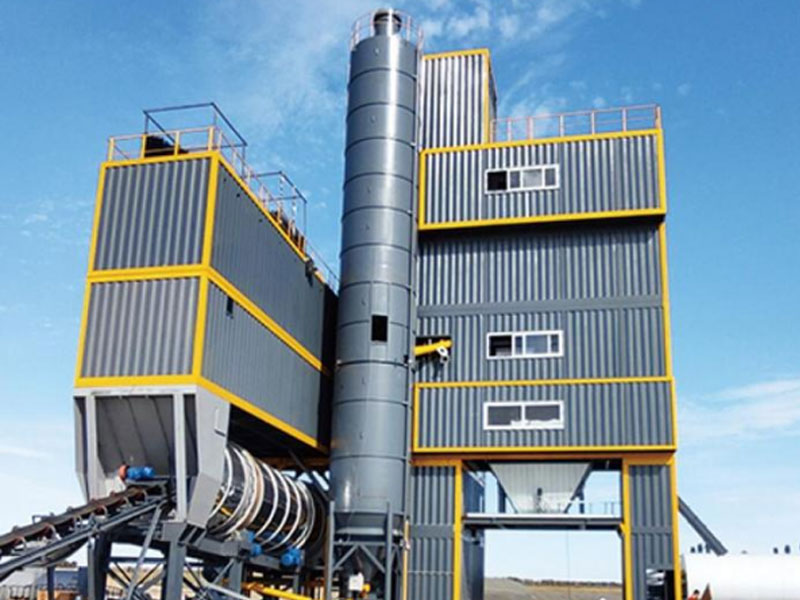 Modular Type
 -
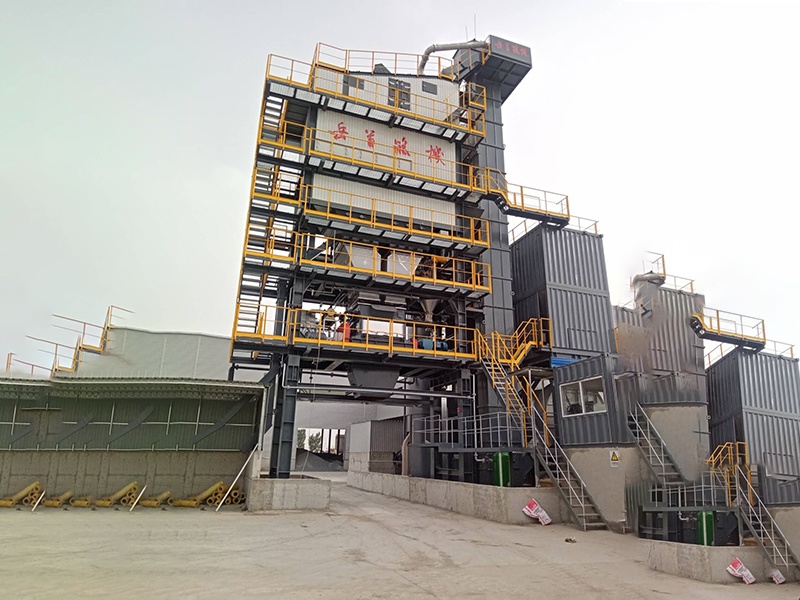 LB3000 Asphalt Mixing Plant
 -
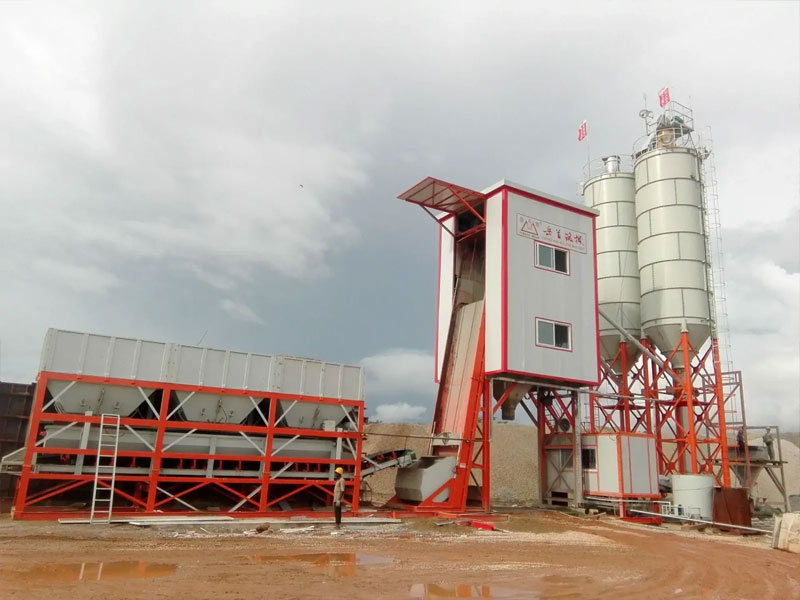 Slide Rail Bucket- lifting Type concrete batching plant
 -
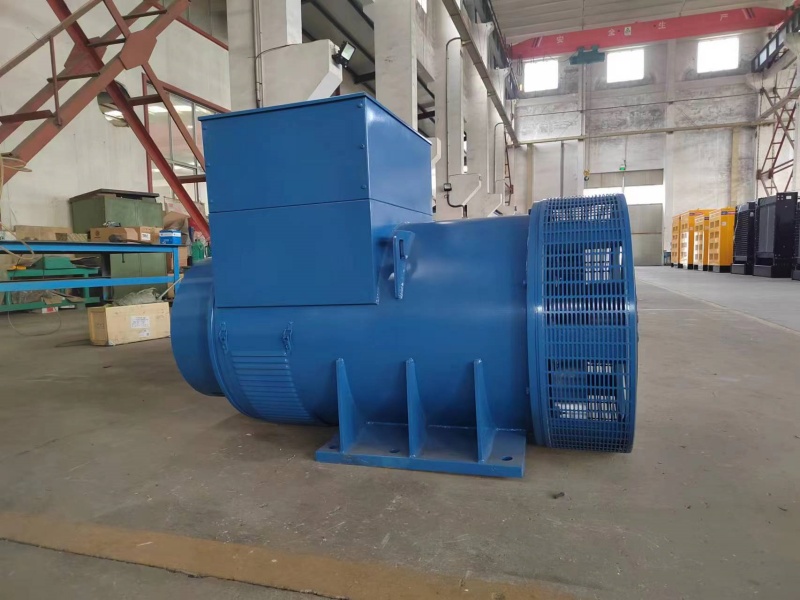 YIWANFU – Alternator
 -
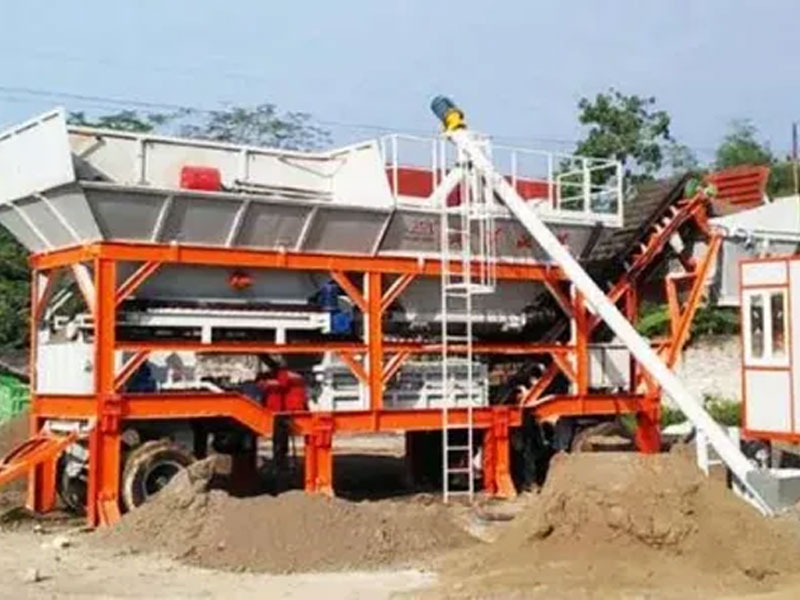 Mobile Type soil batching plant
 -
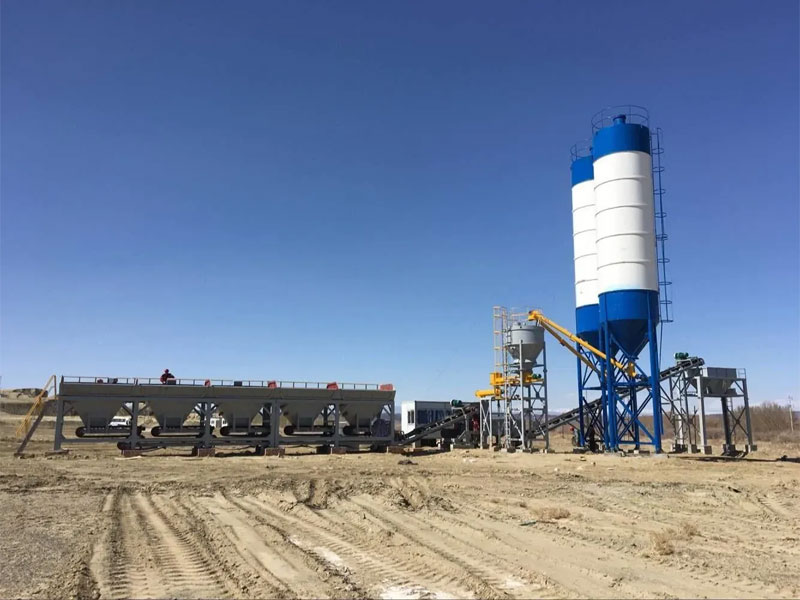 Stabilized Soil Batching Plant
 -
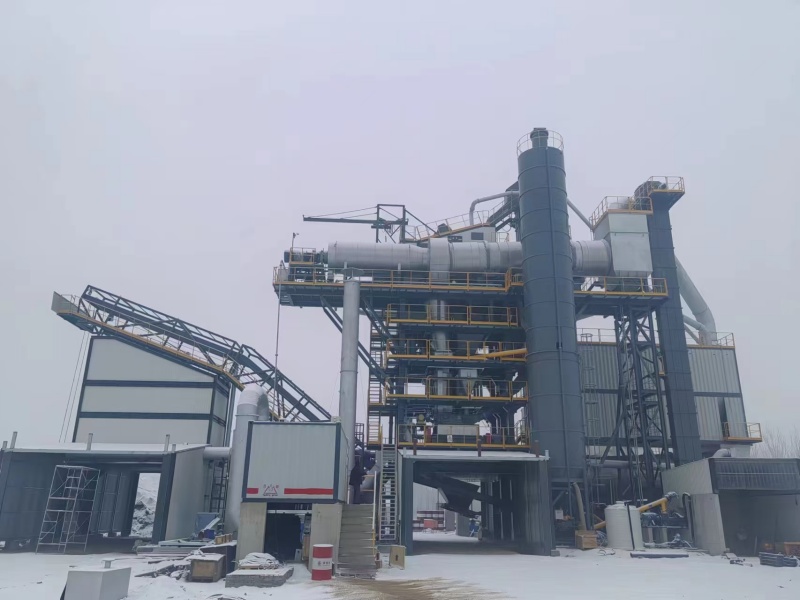 High Position Rotary Drum Type
 -
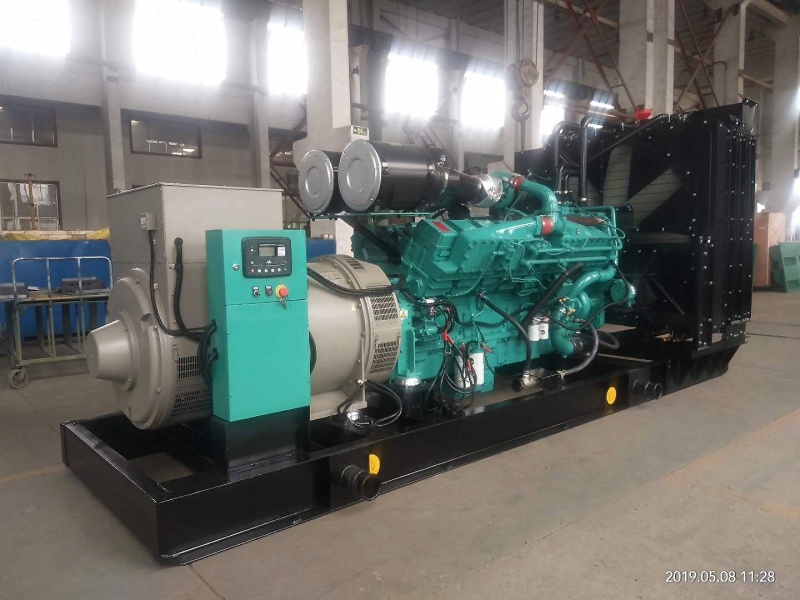 CUMMINS SERIES DIESEL GENERATOR SET
 -
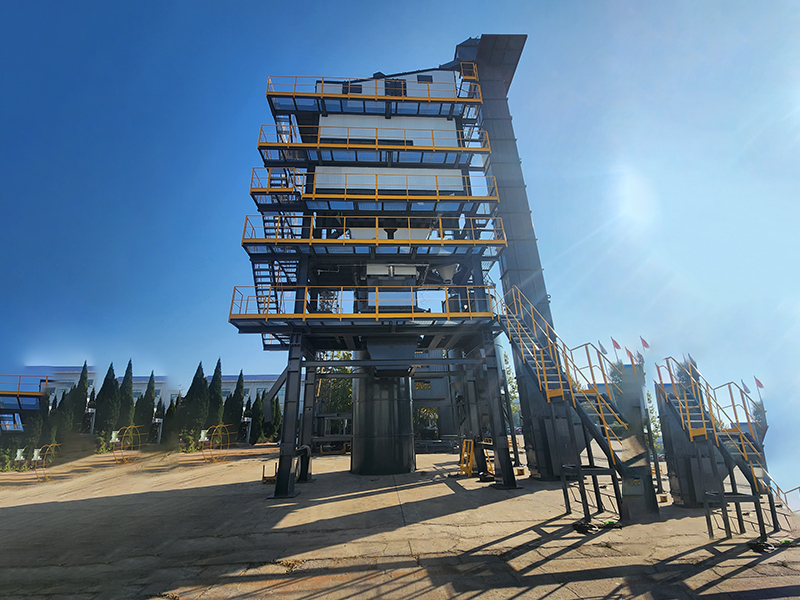 LB4000 asphalt mixing plant
 -
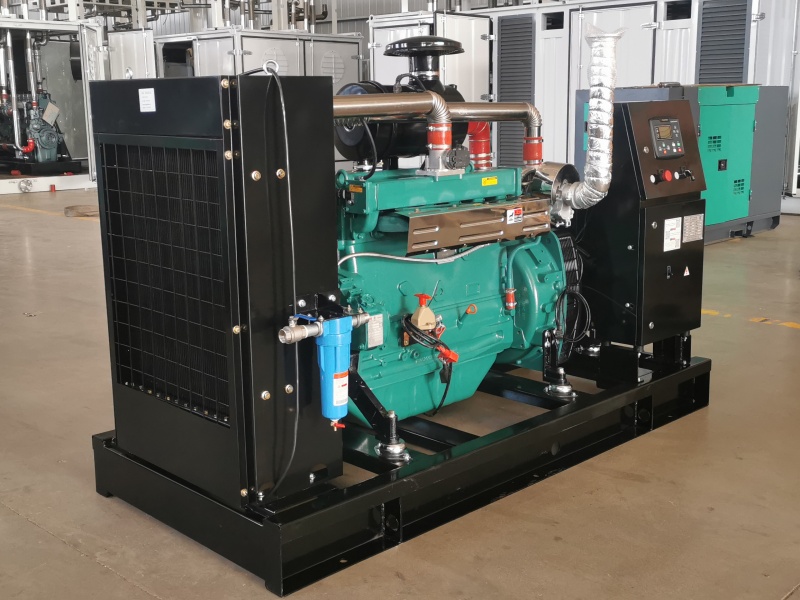 GAS TURBINE AND WATER PUMP SERIES
 -
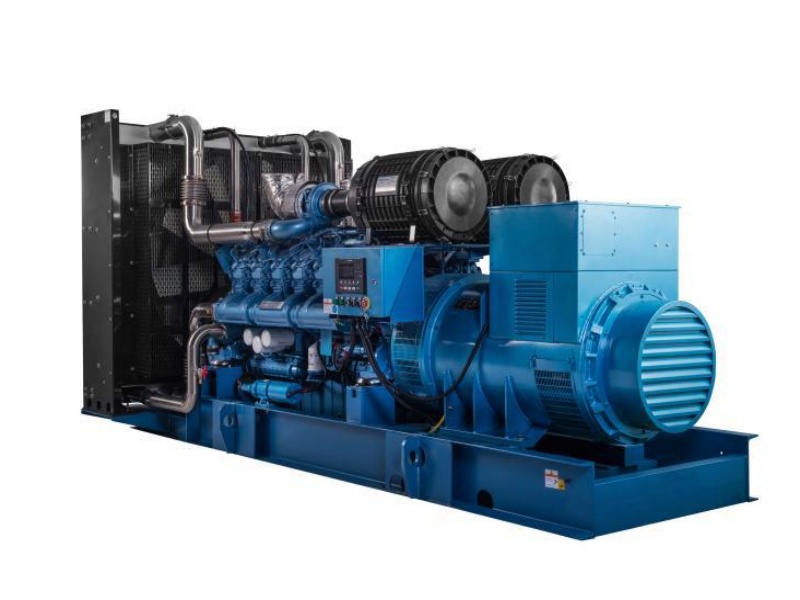 WEICHAI SERIES DIESEL GENERATOR SET
 -
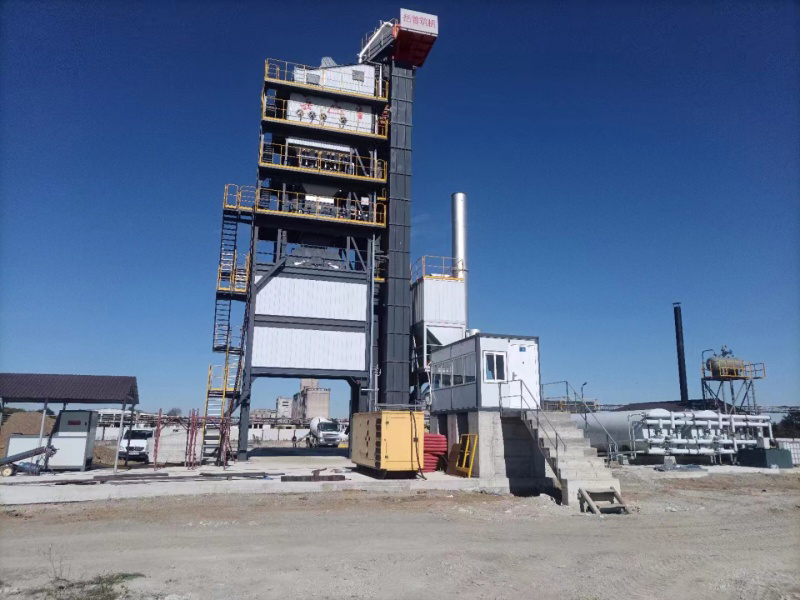 LB2500 Asphalt Mixing Plant
Related search
Related search- High-Quality asphalt plant near me Factories
- High-Quality reliable asphalt plant Company
- Discount colas asphalt plant
- China cemex concrete plant
- High-Quality readymix concrete plant Suppliers
- High-Quality mobile asphalt plant Factory
- Best stationary concrete plant
- High-Quality allan myers asphalt plant Supplier
- Buy central mix concrete plant
- Famous asphalt mixing plant near me