- Chinese
- French
- German
- Portuguese
- Spanish
- Russian
- Japanese
- Korean
- Arabic
- Irish
- Greek
- Turkish
- Italian
- Danish
- Romanian
- Indonesian
- Czech
- Afrikaans
- Swedish
- Polish
- Basque
- Catalan
- Esperanto
- Hindi
- Lao
- Albanian
- Amharic
- Armenian
- Azerbaijani
- Belarusian
- Bengali
- Bosnian
- Bulgarian
- Cebuano
- Chichewa
- Corsican
- Croatian
- Dutch
- Estonian
- Filipino
- Finnish
- Frisian
- Galician
- Georgian
- Gujarati
- Haitian
- Hausa
- Hawaiian
- Hebrew
- Hmong
- Hungarian
- Icelandic
- Igbo
- Javanese
- Kannada
- Kazakh
- Khmer
- Kurdish
- Kyrgyz
- Latin
- Latvian
- Lithuanian
- Luxembou..
- Macedonian
- Malagasy
- Malay
- Malayalam
- Maltese
- Maori
- Marathi
- Mongolian
- Burmese
- Nepali
- Norwegian
- Pashto
- Persian
- Punjabi
- Serbian
- Sesotho
- Sinhala
- Slovak
- Slovenian
- Somali
- Samoan
- Scots Gaelic
- Shona
- Sindhi
- Sundanese
- Swahili
- Tajik
- Tamil
- Telugu
- Thai
- Ukrainian
- Urdu
- Uzbek
- Vietnamese
- Welsh
- Xhosa
- Yiddish
- Yoruba
- Zulu
- Kinyarwanda
- Tatar
- Oriya
- Turkmen
- Uyghur
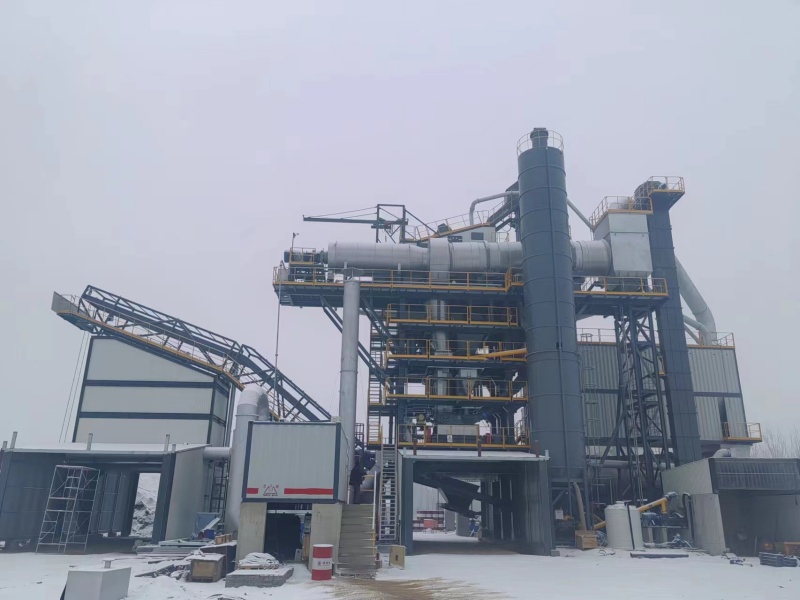
Wholesale asphalt plant used for sale
Used Asphalt Plants for Sale: A Comprehensive Guide for Buyers
Finding the right used asphalt plant for sale can be a significant investment for your business. This guide provides essential information to help you navigate the process, from understanding different plant types to negotiating a fair price. We'll cover key factors to consider, potential pitfalls to avoid, and resources to aid your search.
Types of Used Asphalt Plants
Batch Plants
Batch plants are known for their relatively simple design and ease of operation. They produce asphalt in discrete batches, making them suitable for smaller projects or those with fluctuating production needs. However, their batch-by-batch process can lead to lower overall production compared to continuous plants.
Continuous Plants
Continuous plants offer higher production capacity and efficiency due to their continuous mixing process. This makes them ideal for larger-scale projects requiring consistent and high-volume asphalt production. They often require more skilled operators and have a higher initial investment cost.
Drum Mix Plants
Drum mix plants are a type of continuous plant that use a rotating drum for mixing aggregates and asphalt cement. They are known for their ability to handle a wide range of aggregate types and produce high-quality asphalt. However, they typically require more maintenance than other types.
Factors to Consider When Buying a Used Asphalt Plant
Plant Age and Condition
The age of the used asphalt plant directly impacts its remaining lifespan and potential maintenance needs. Thoroughly inspect the plant's components for wear and tear. Consider obtaining a professional inspection to assess its overall condition and identify potential problems.
Production Capacity
Determine the required production capacity based on your project needs. Choosing a plant with sufficient capacity ensures efficient operation and meets your project deadlines. Oversized plants might be unnecessarily expensive, while undersized plants could hinder productivity.
Features and Technology
Assess the plant's features and technology to determine its suitability for your needs. Consider factors such as automation levels, control systems, and emissions compliance. Modern plants often incorporate advanced technologies that enhance efficiency and reduce environmental impact.
Maintenance History
A well-maintained used asphalt plant will generally require less maintenance and have a longer lifespan. Request a detailed maintenance history from the seller, including records of repairs, replacements, and inspections. This information will help you assess the plant's overall condition and predict future maintenance costs.
Finding a Reputable Seller
Finding a trusted seller is crucial to ensure a smooth transaction and avoid potential problems. Look for sellers with a proven track record, positive reviews, and transparency in their dealings. Consider contacting multiple sellers to compare prices and offerings. Researching online forums and industry publications can provide valuable insights and recommendations.
Negotiating the Price
Negotiating a fair price is an important part of the buying process. Research the market value of similar used asphalt plants to determine a reasonable price range. Be prepared to walk away if the seller's price is too high or the terms are unfavorable. Having a professional appraisal can strengthen your negotiating position.
Resources for Finding Used Asphalt Plants
Several online platforms and marketplaces specialize in selling used heavy equipment, including used asphalt plants. You can also find potential sellers through industry publications, trade shows, and networking with other professionals in the asphalt industry. Remember to always conduct thorough due diligence before making a purchase.
For high-quality mixing equipment, consider exploring options from reputable manufacturers like Taian Yueshou Mixing Equipment Co.,Ltd. They offer a range of solutions for asphalt production.
Conclusion
Purchasing a used asphalt plant requires careful planning and due diligence. By considering the factors outlined in this guide and conducting thorough research, you can make an informed decision and acquire a plant that meets your needs and budget. Remember to prioritize quality, reliability, and a reputable seller for a successful purchase.
Related products
Related products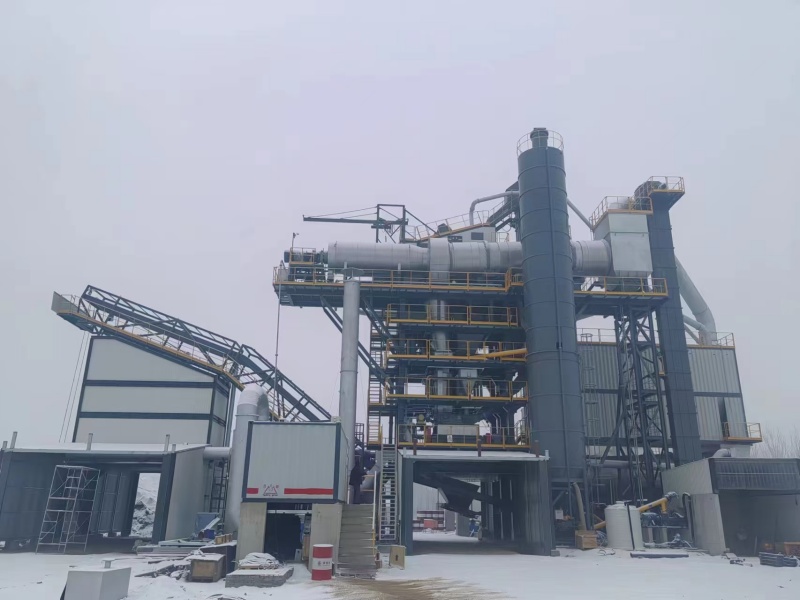
Best selling products
Best selling products-
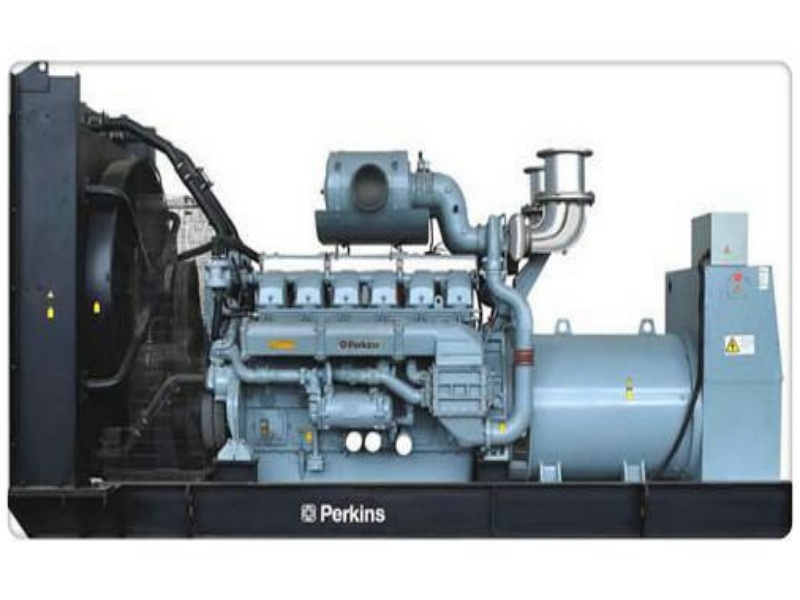
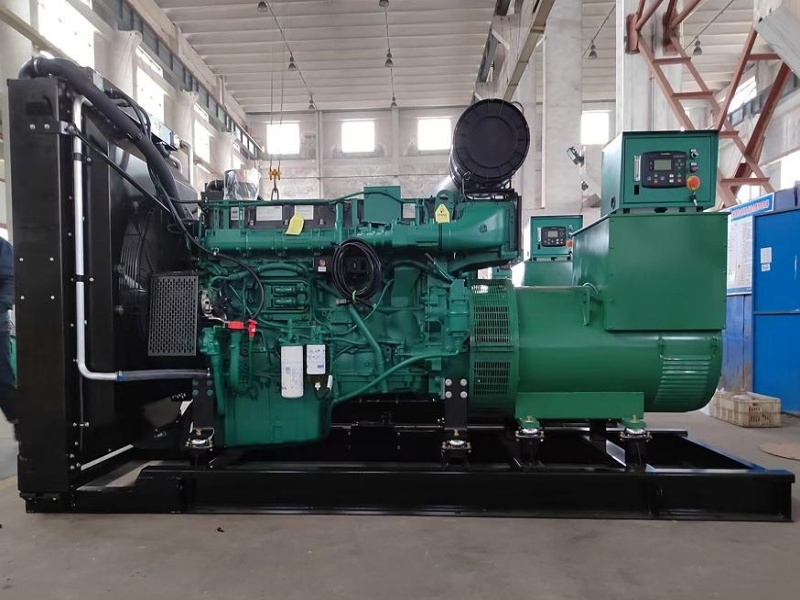 VOLVO SERIES DIESEL GENERATOR SET
 -
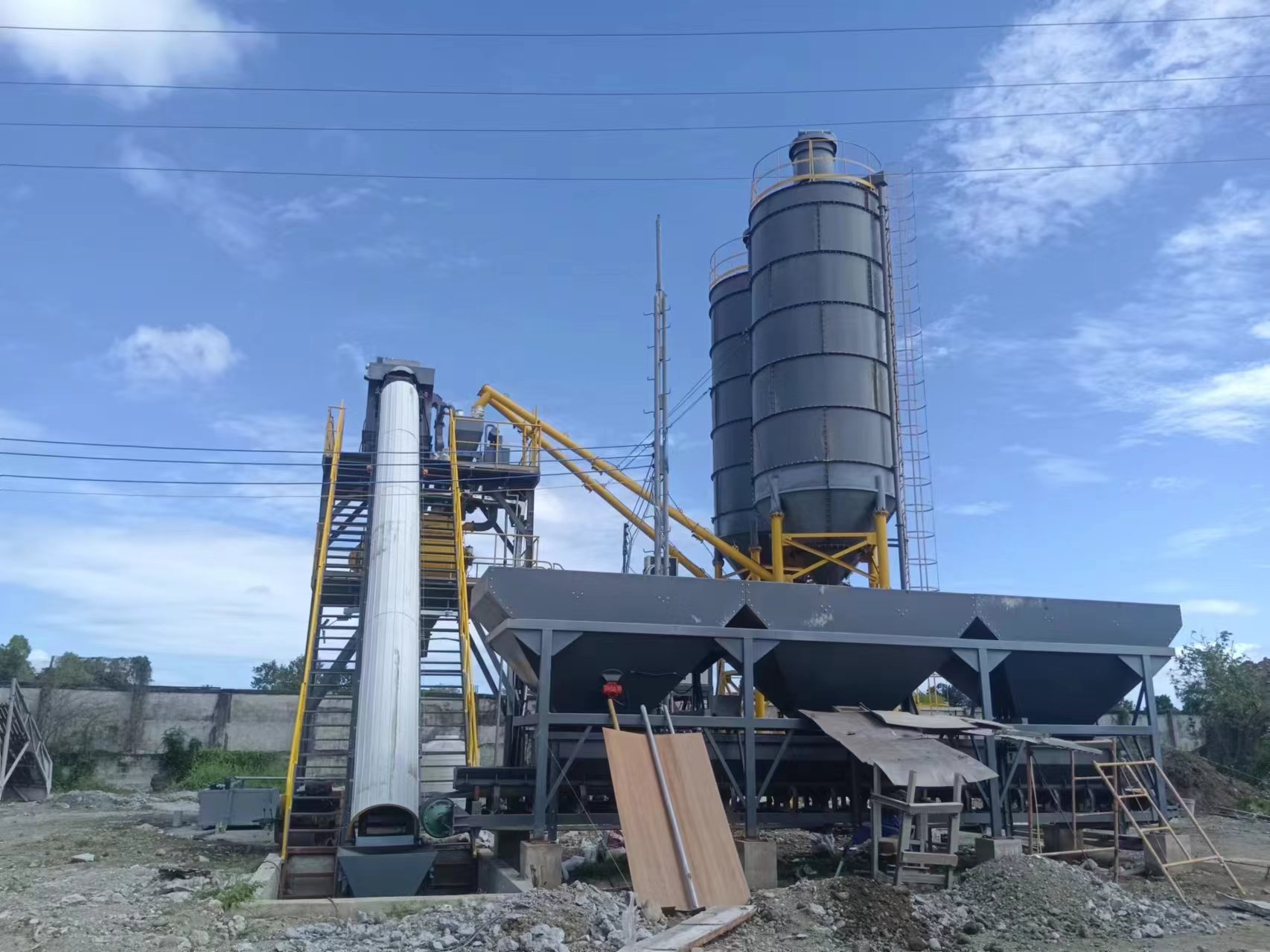 HZS60 concrete mixing plant
 -
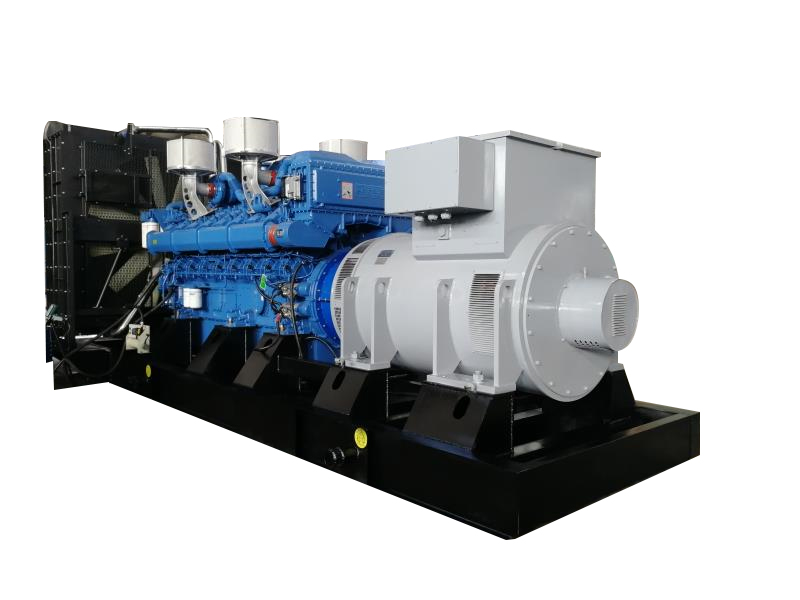
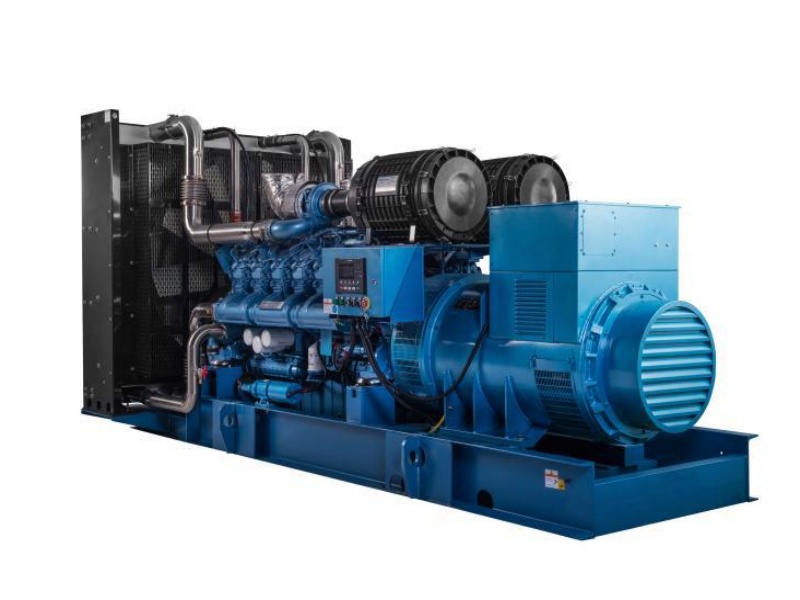 WEICHAI SERIES DIESEL GENERATOR SET
 -
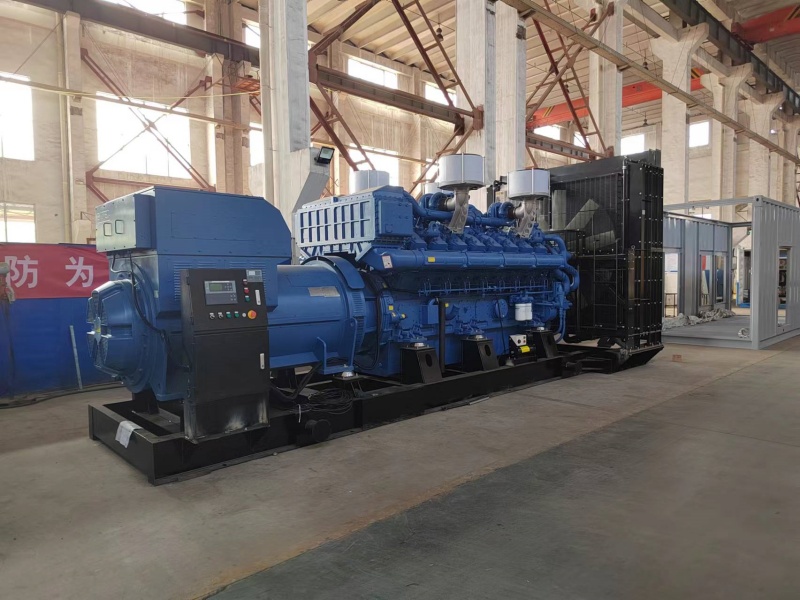 YUCHAI SERIES DIESEL GENERATOR SET
 -
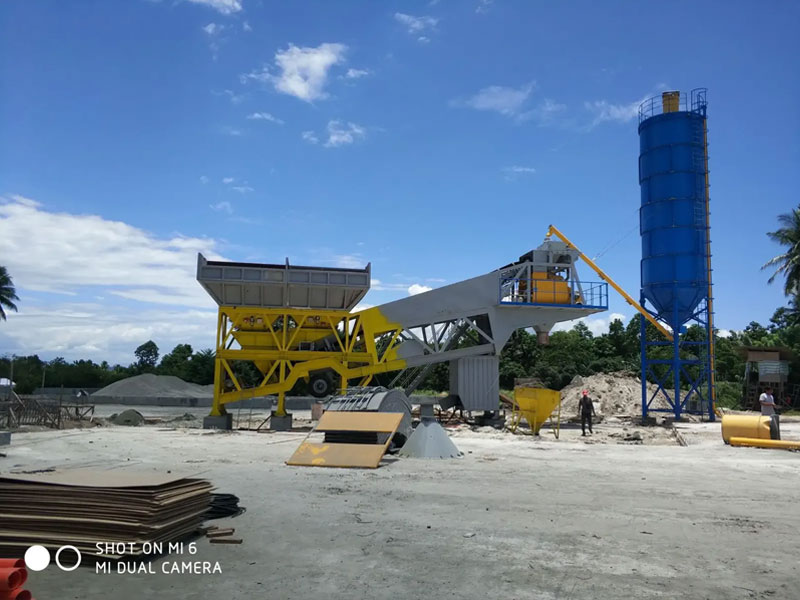 Mobile Type
 -
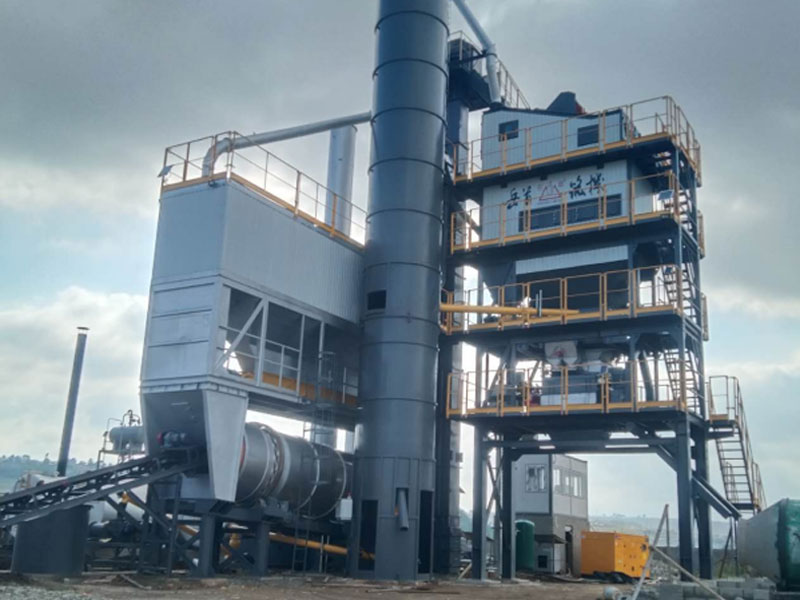 Asphalt Mixing Plant
 -
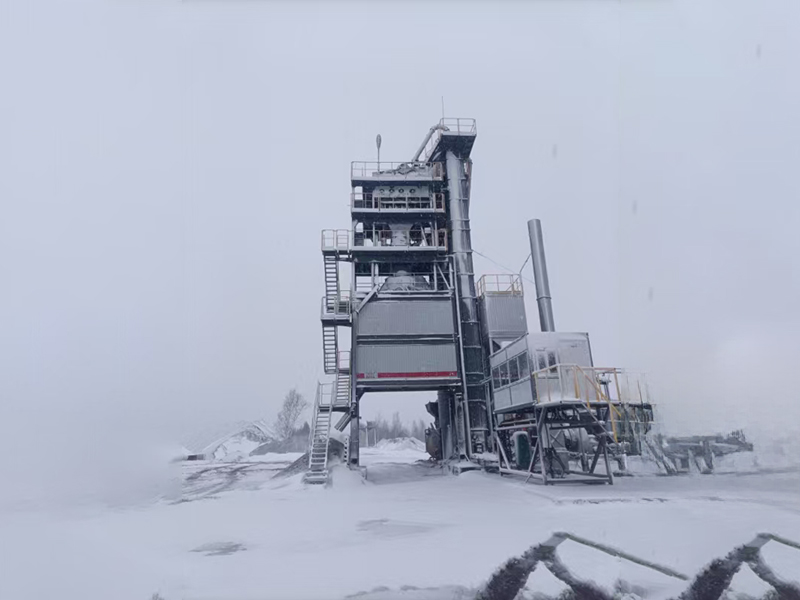 LB1000 asphalt mixing plant
 -
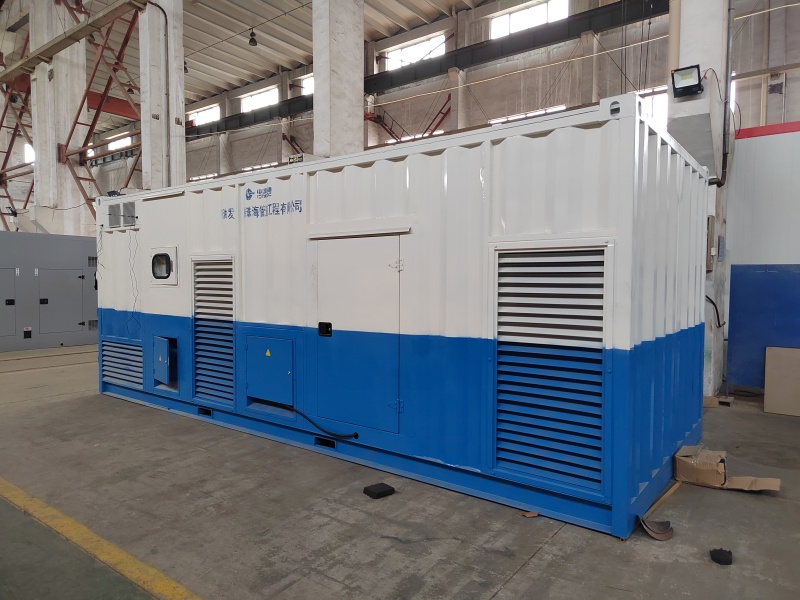
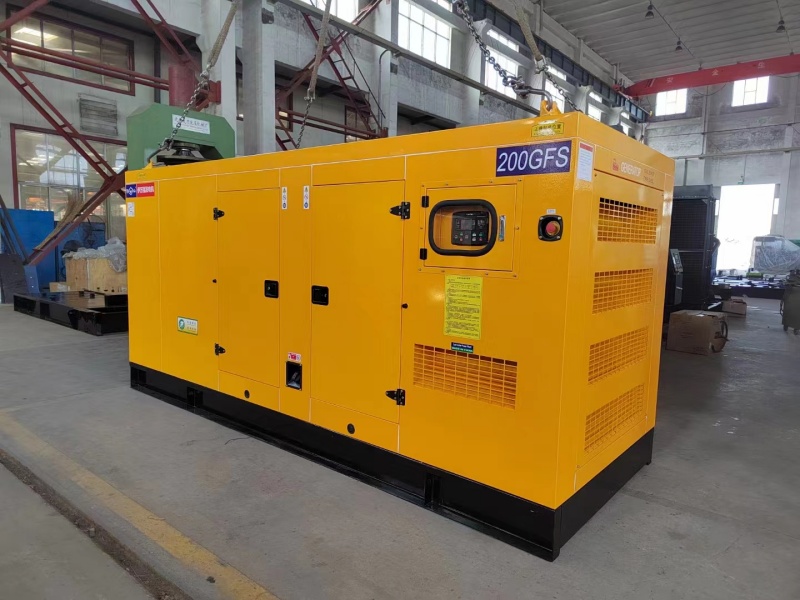 SOUNDPROOF GENERATOR SETS
 -
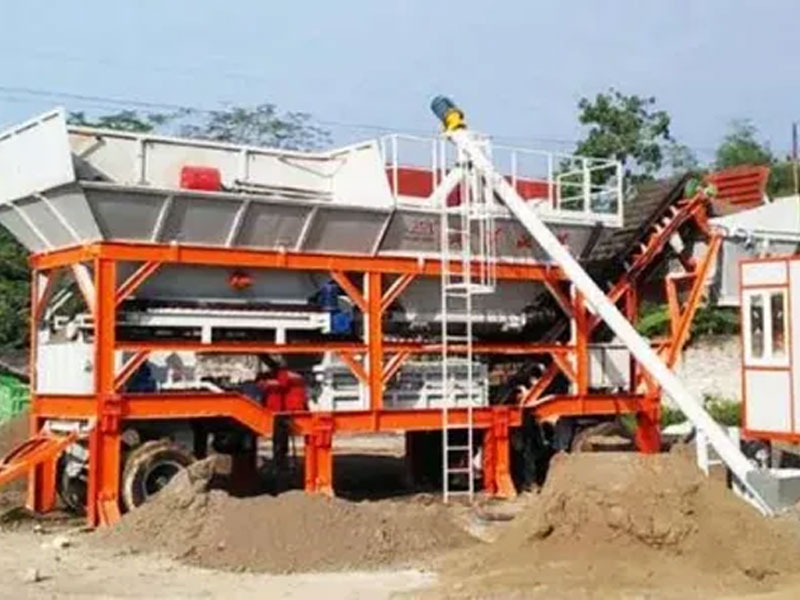 Mobile Type soil batching plant
 -
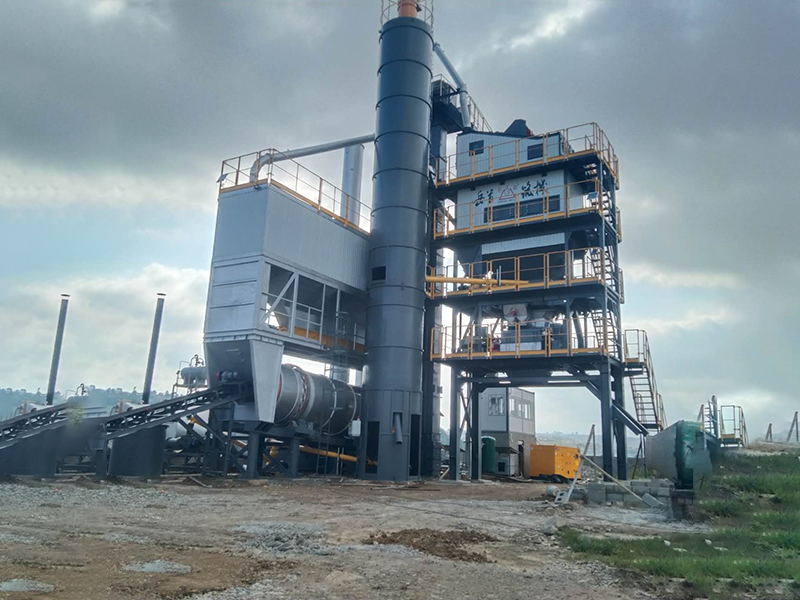 LB2000 Asphalt Mixing Plant
 -
 Moveable Type
 -
 Container Type
Related search
Related search- China boral concrete plant
- High-Quality valley asphalt plant 6 Company
- High-Quality concrete plant near me Exporter
- High-Quality park paving asphalt plant Company
- Wholesale recycled asphalt plant
- High-Quality asphalt mixing plant near me Companies
- High-Quality benninghoven asphalt plant Supplier
- Cheap tarmac concrete plant
- High-Quality small concrete plant Suppliers
- OEM all american asphalt plant